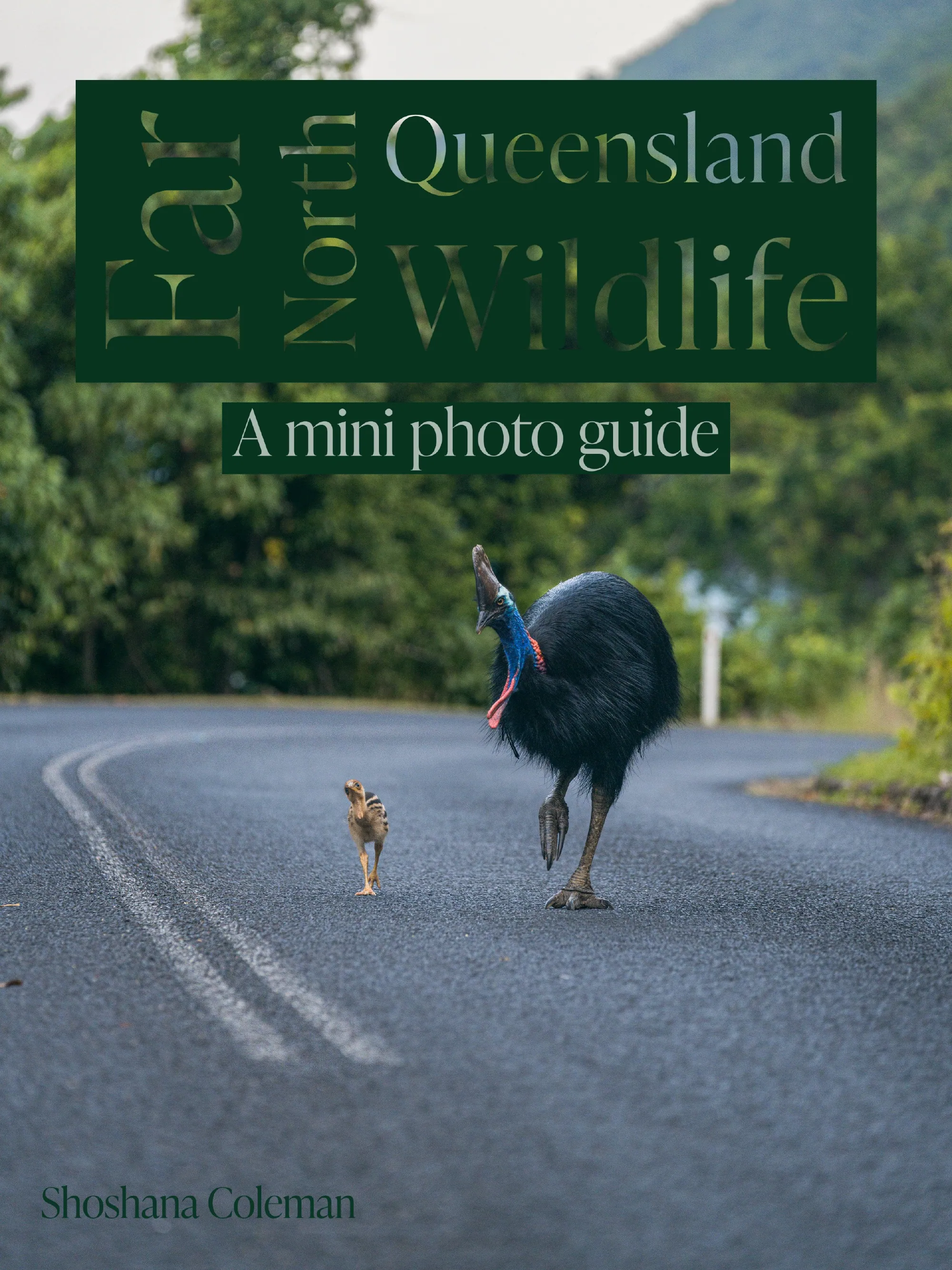
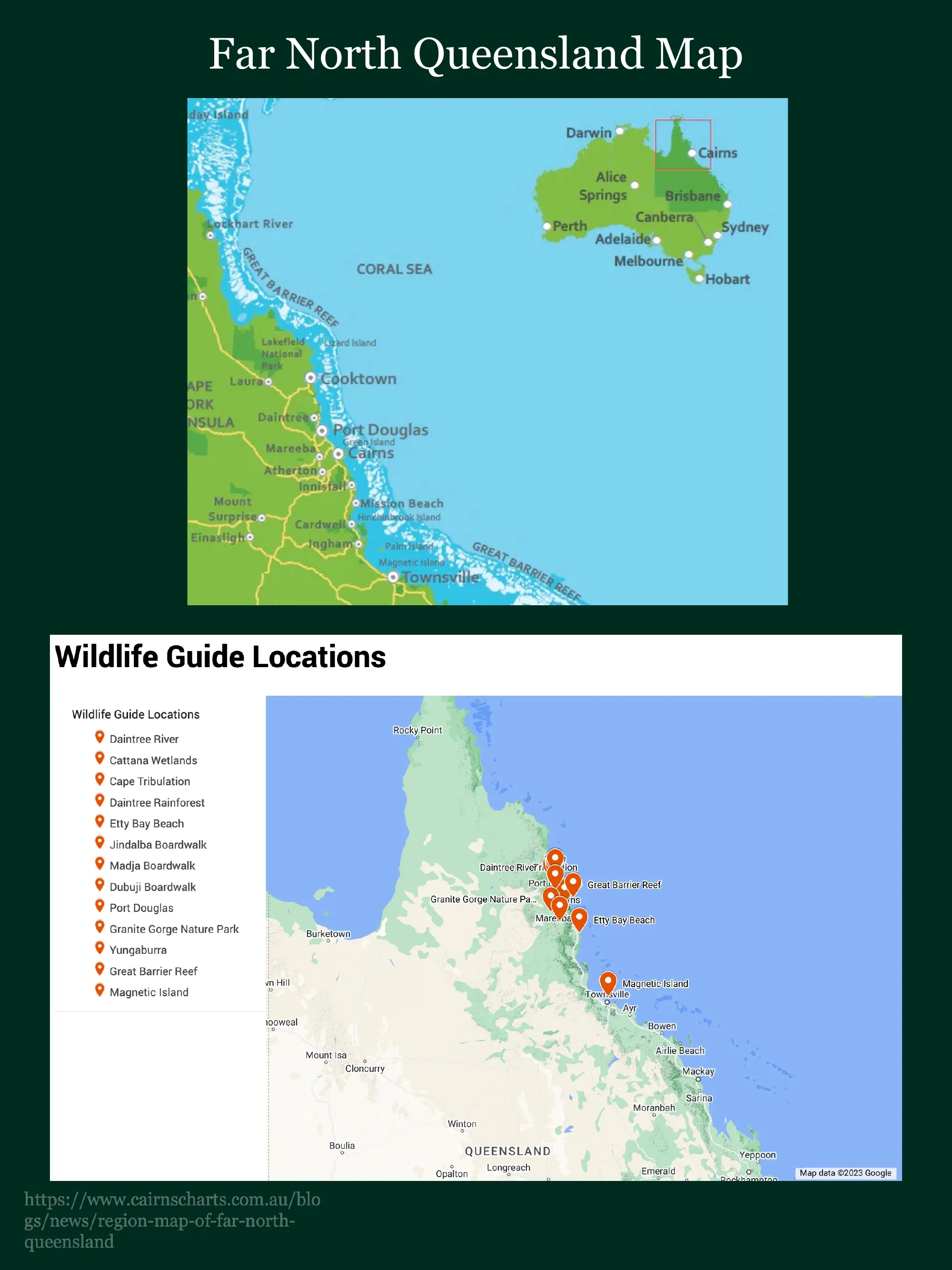
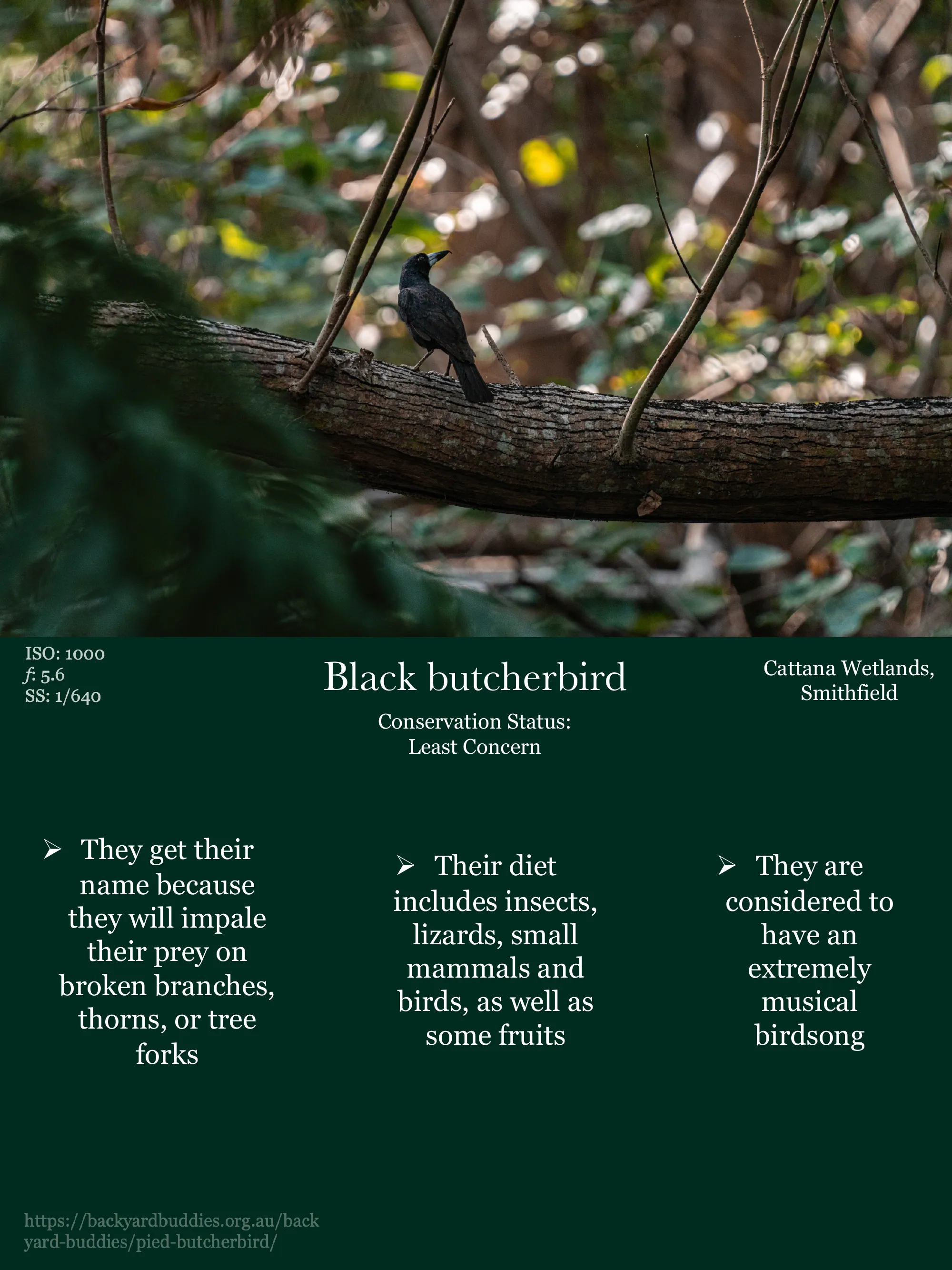
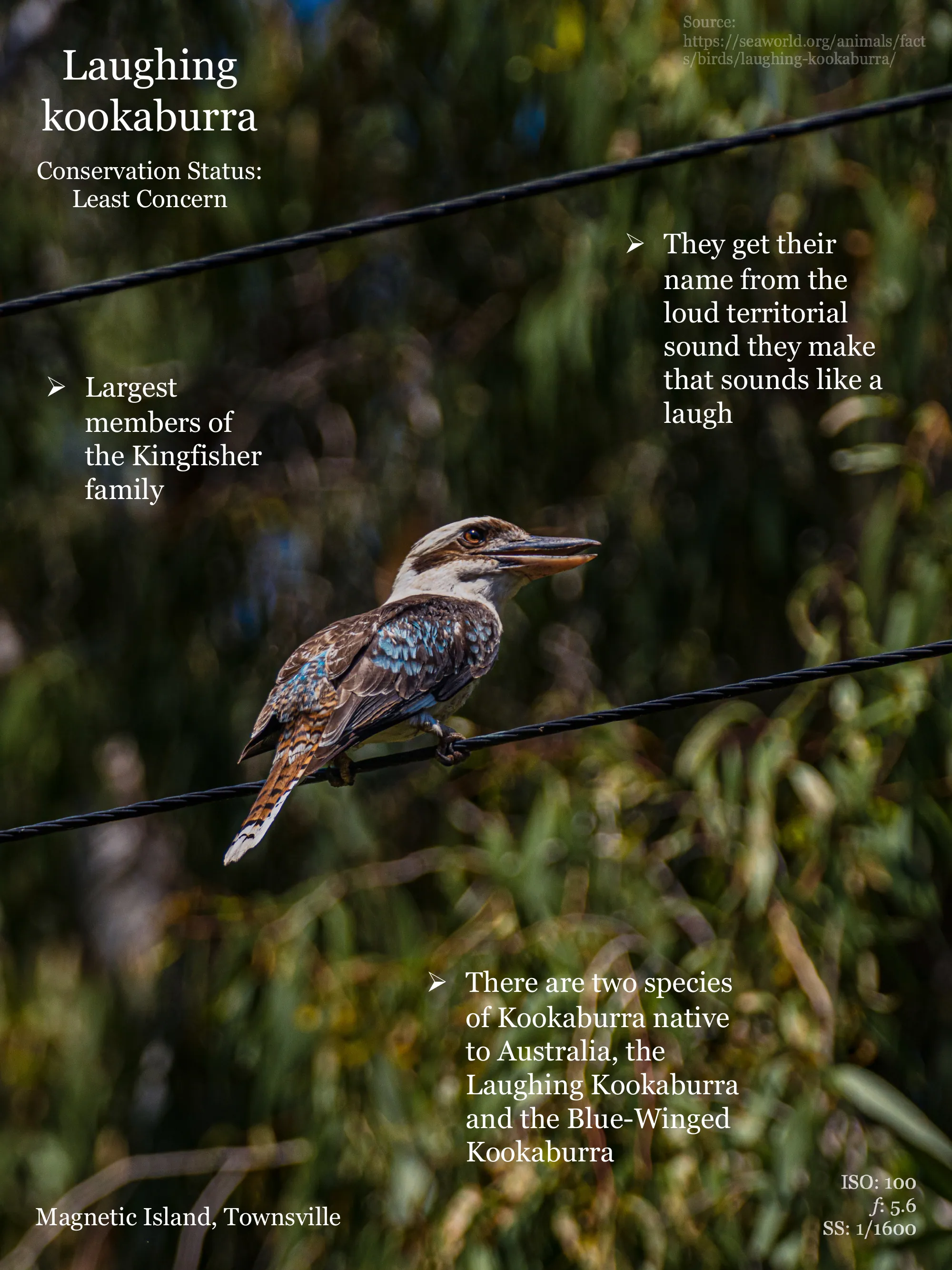
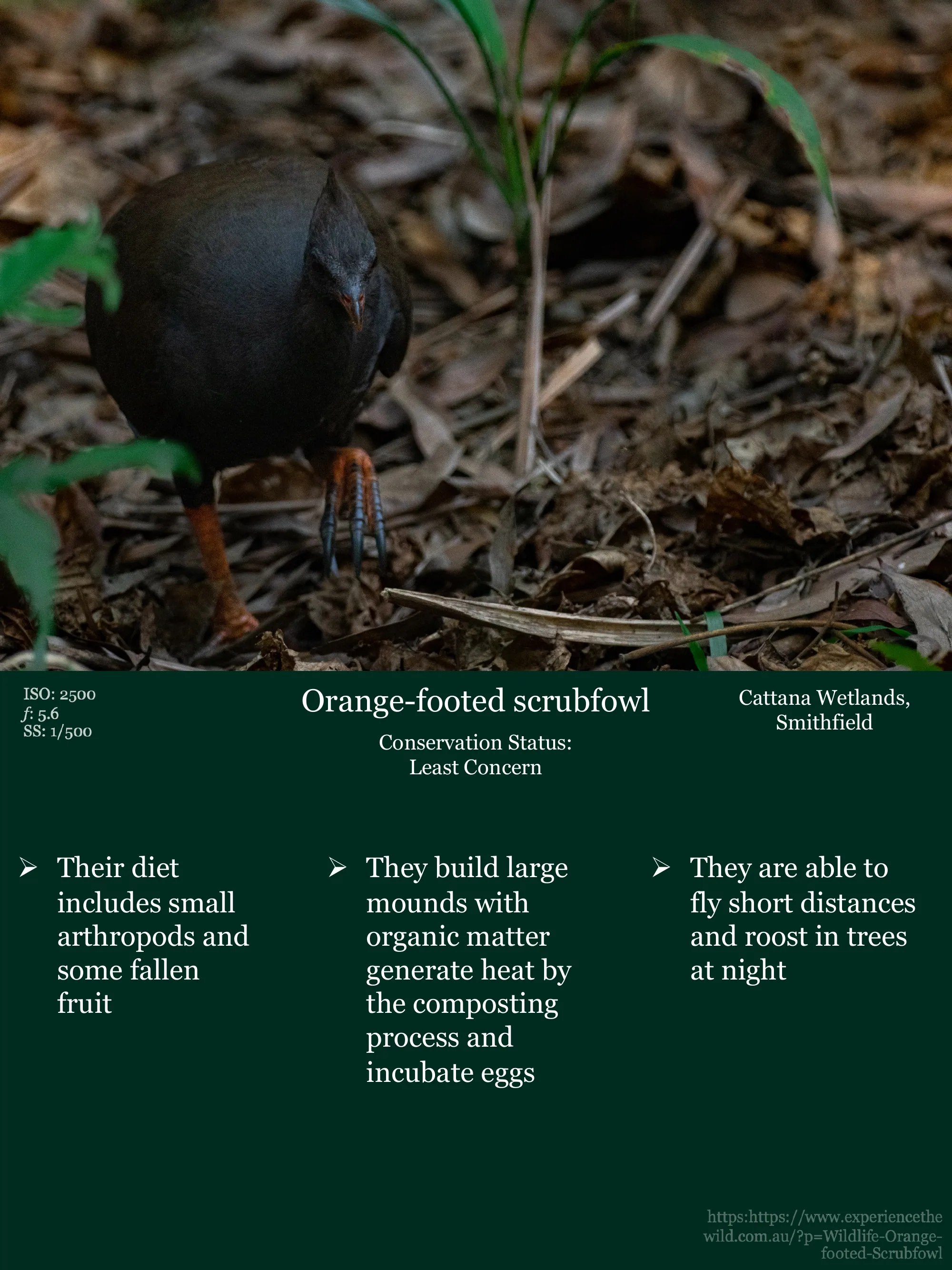
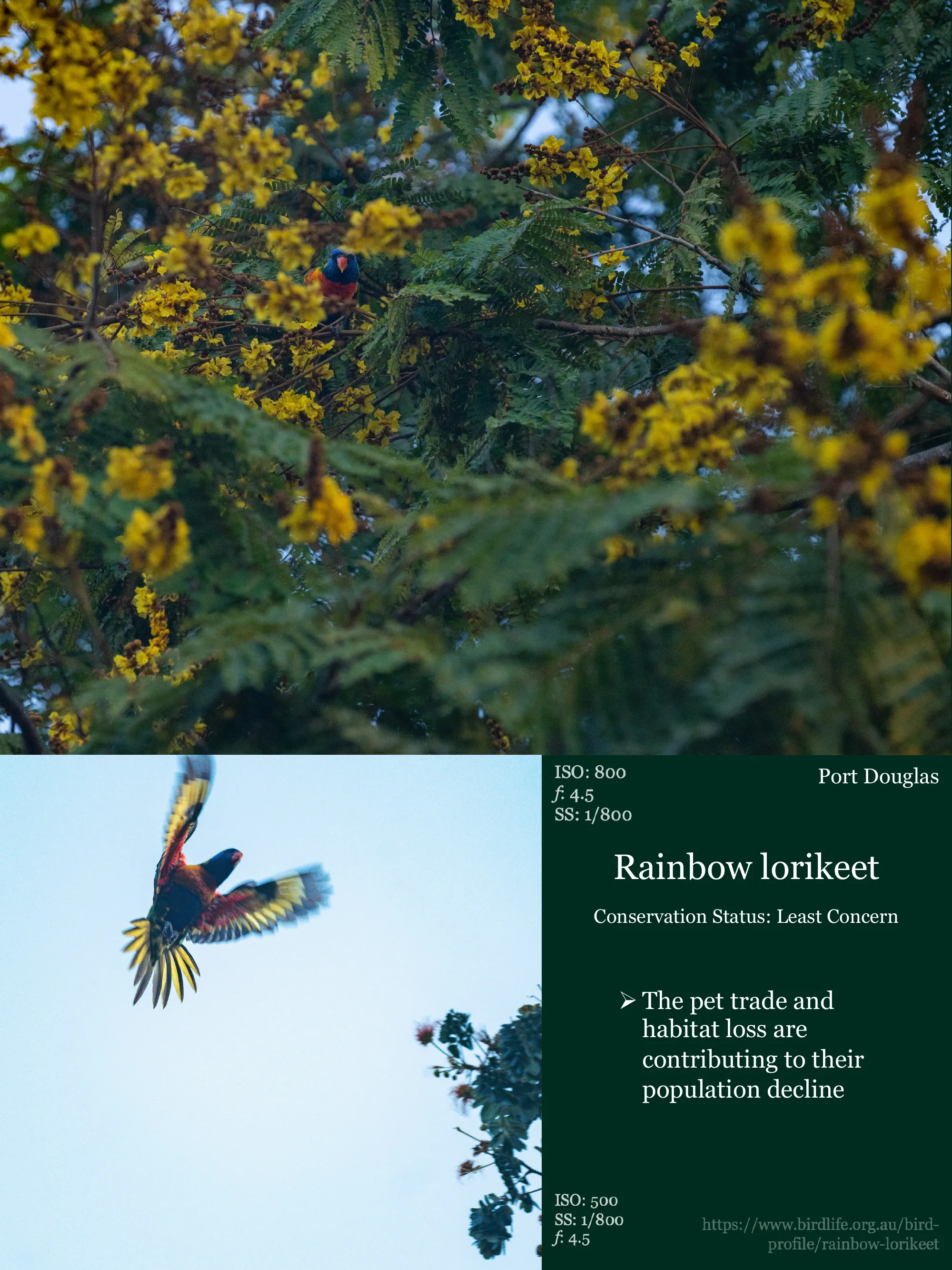
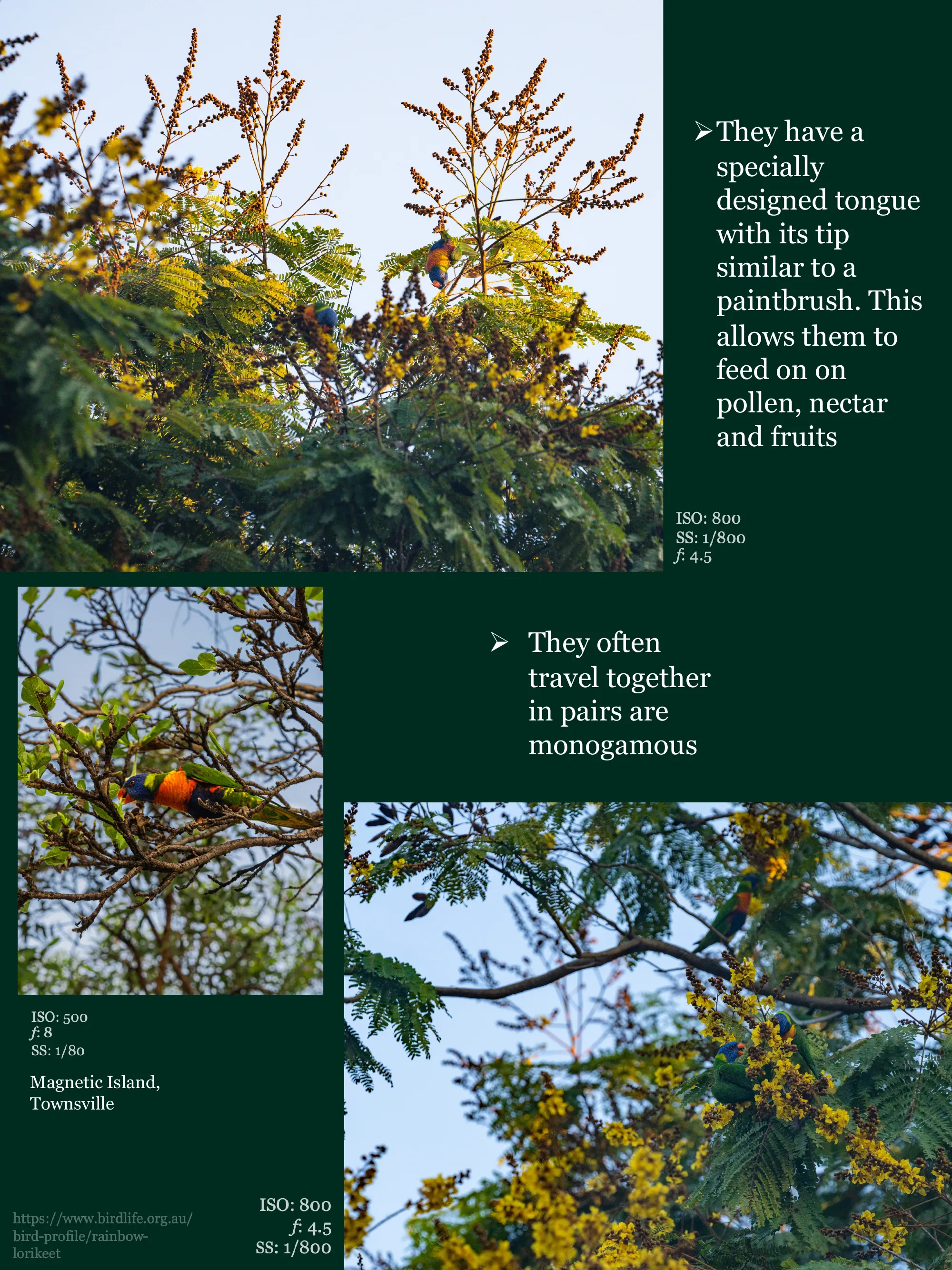
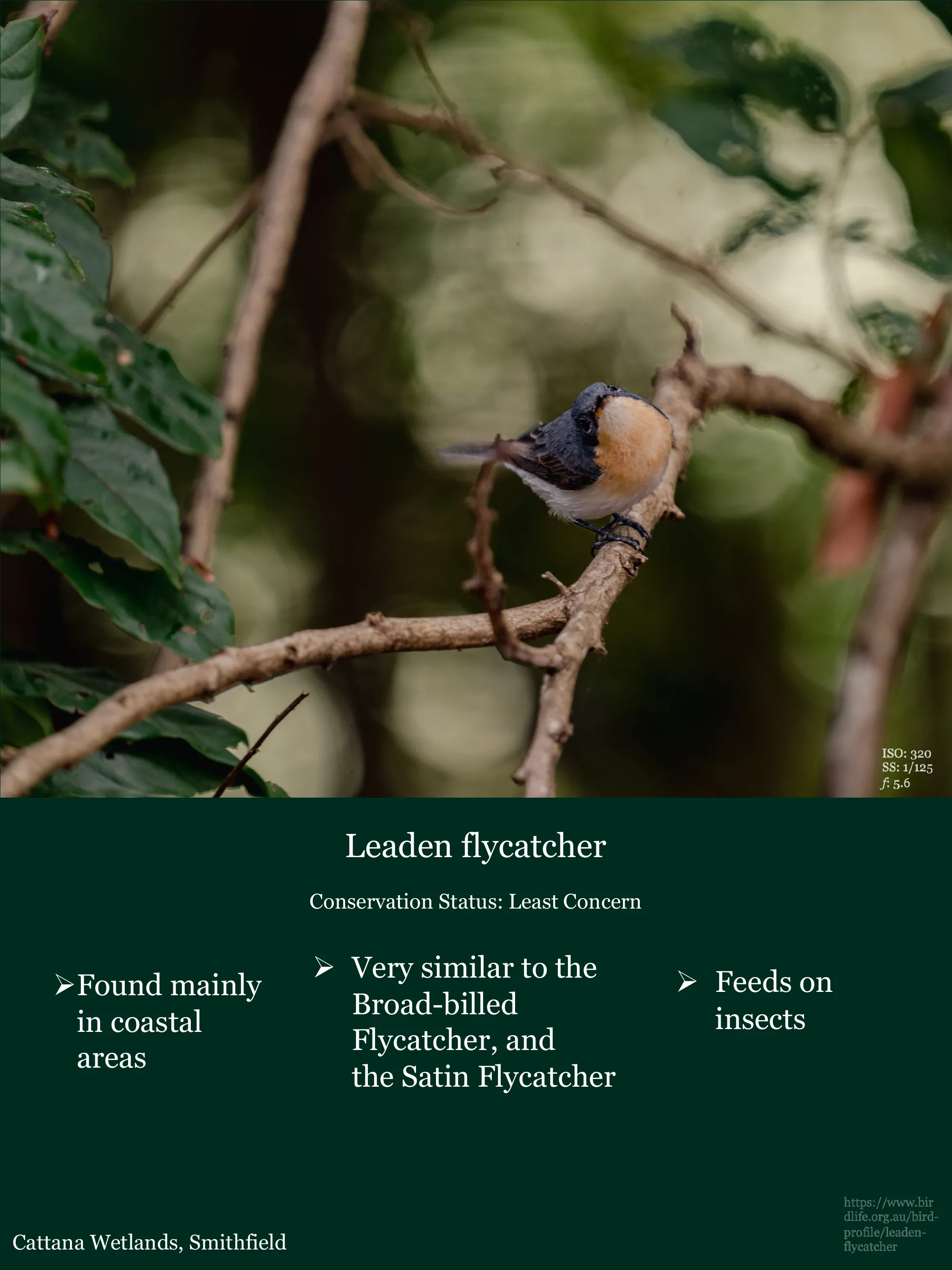
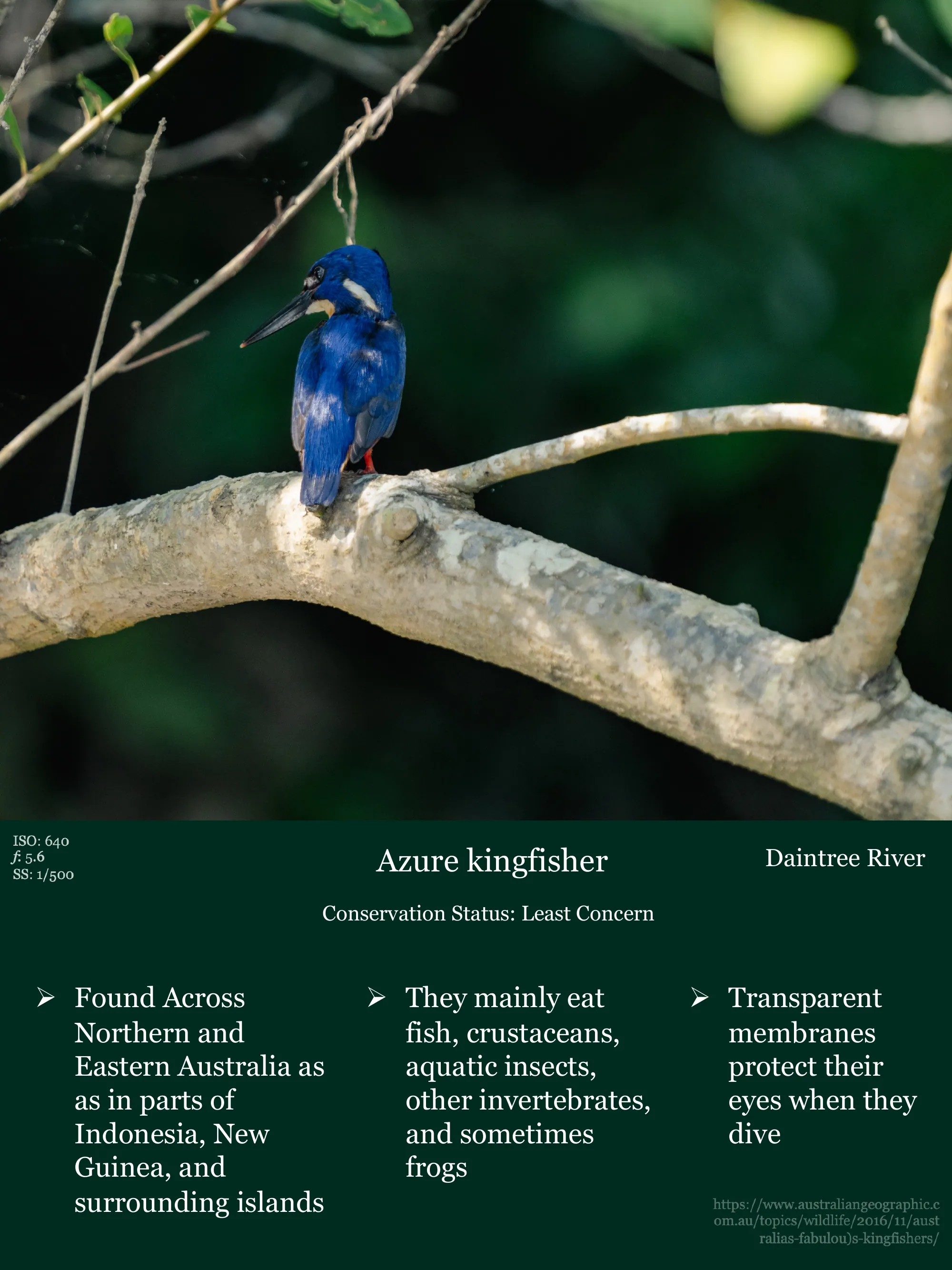
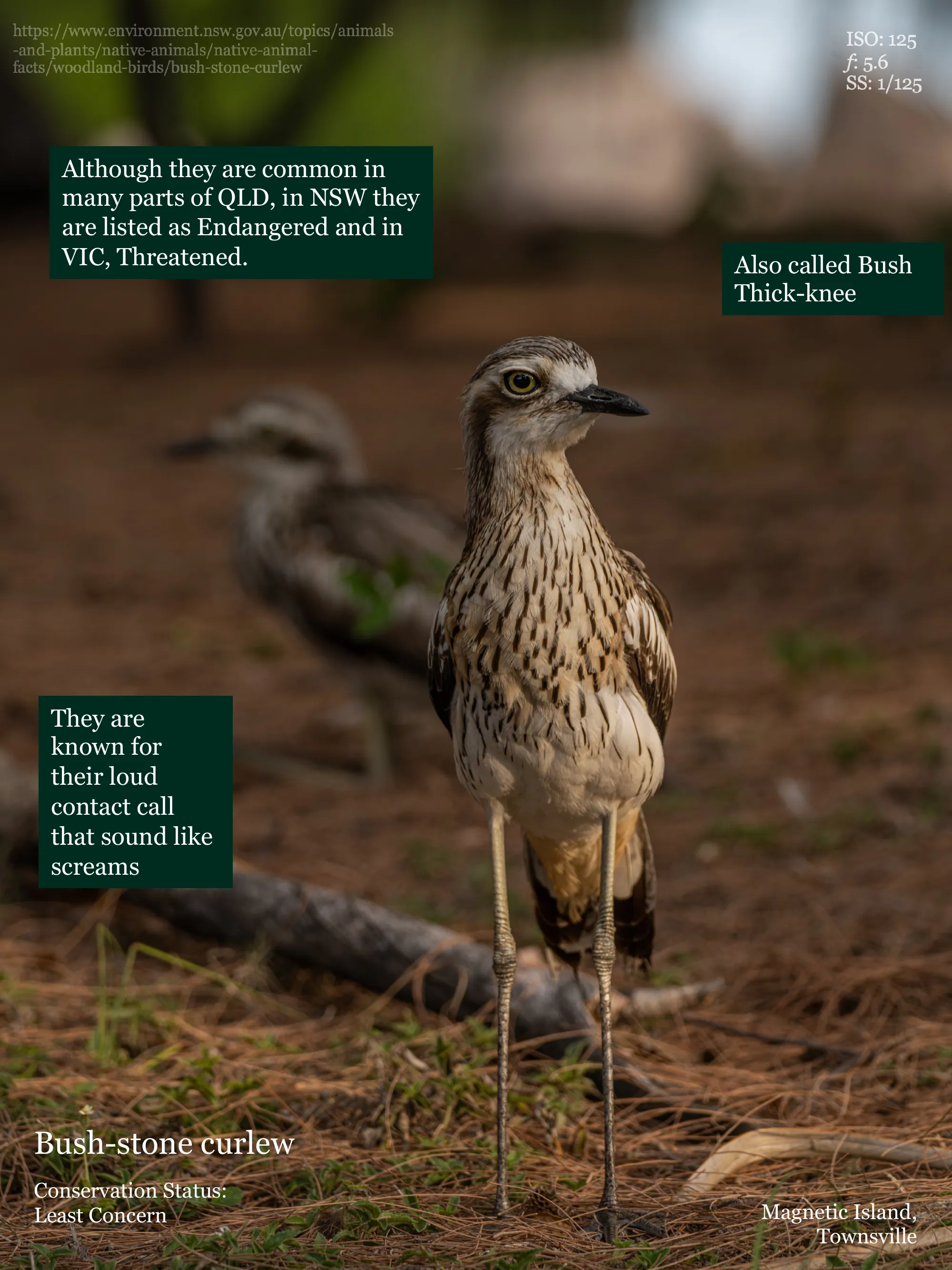
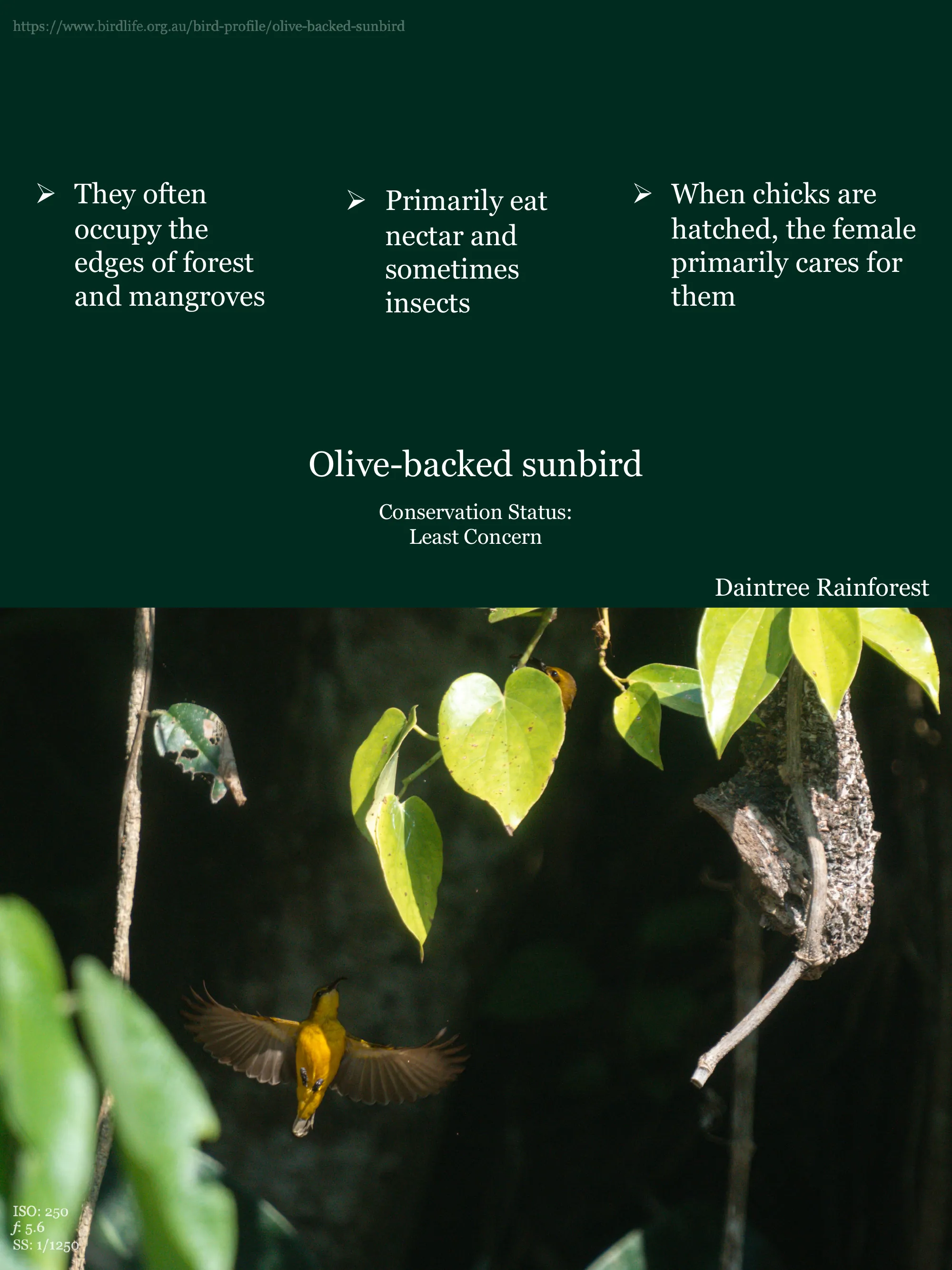
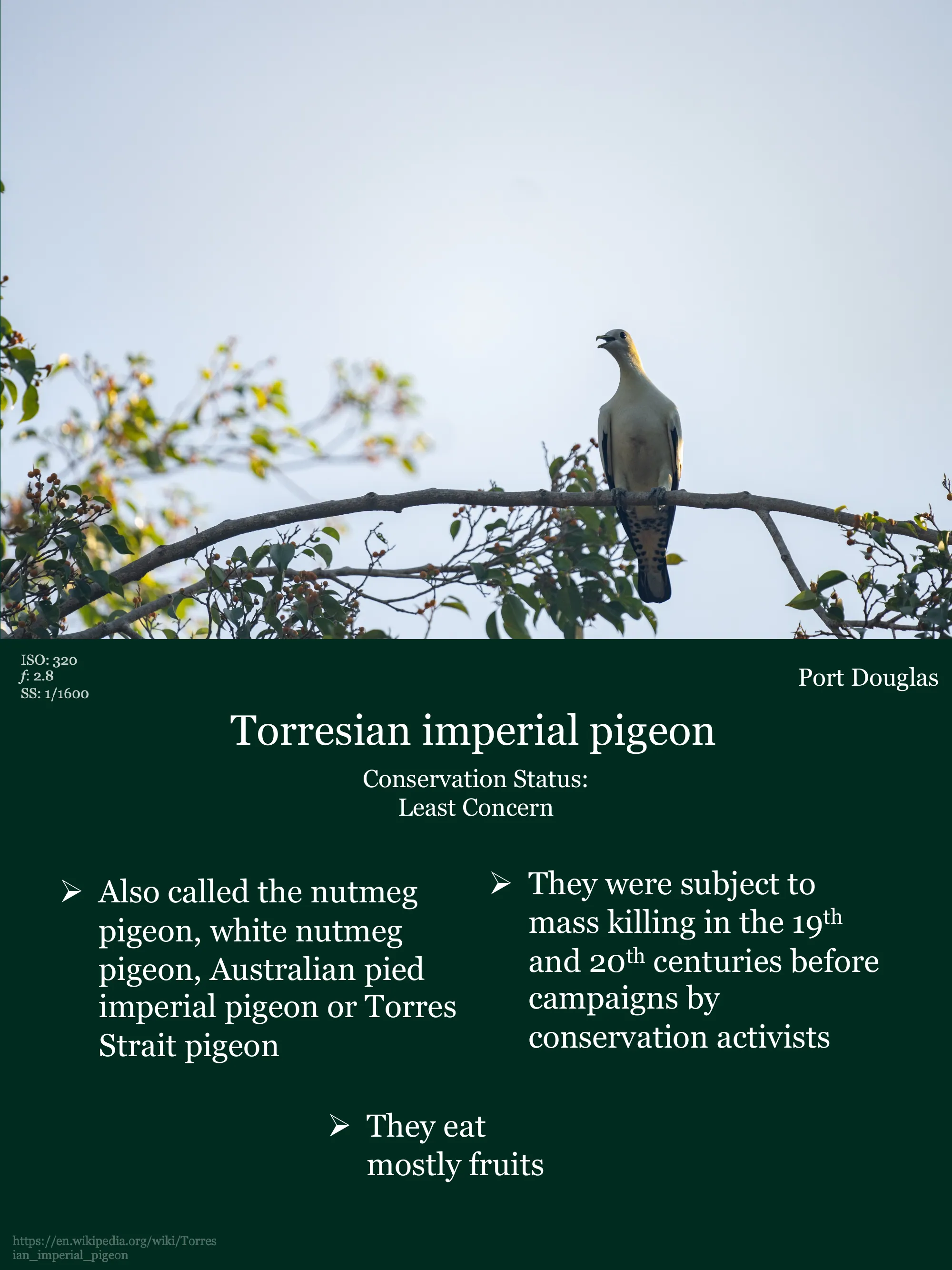
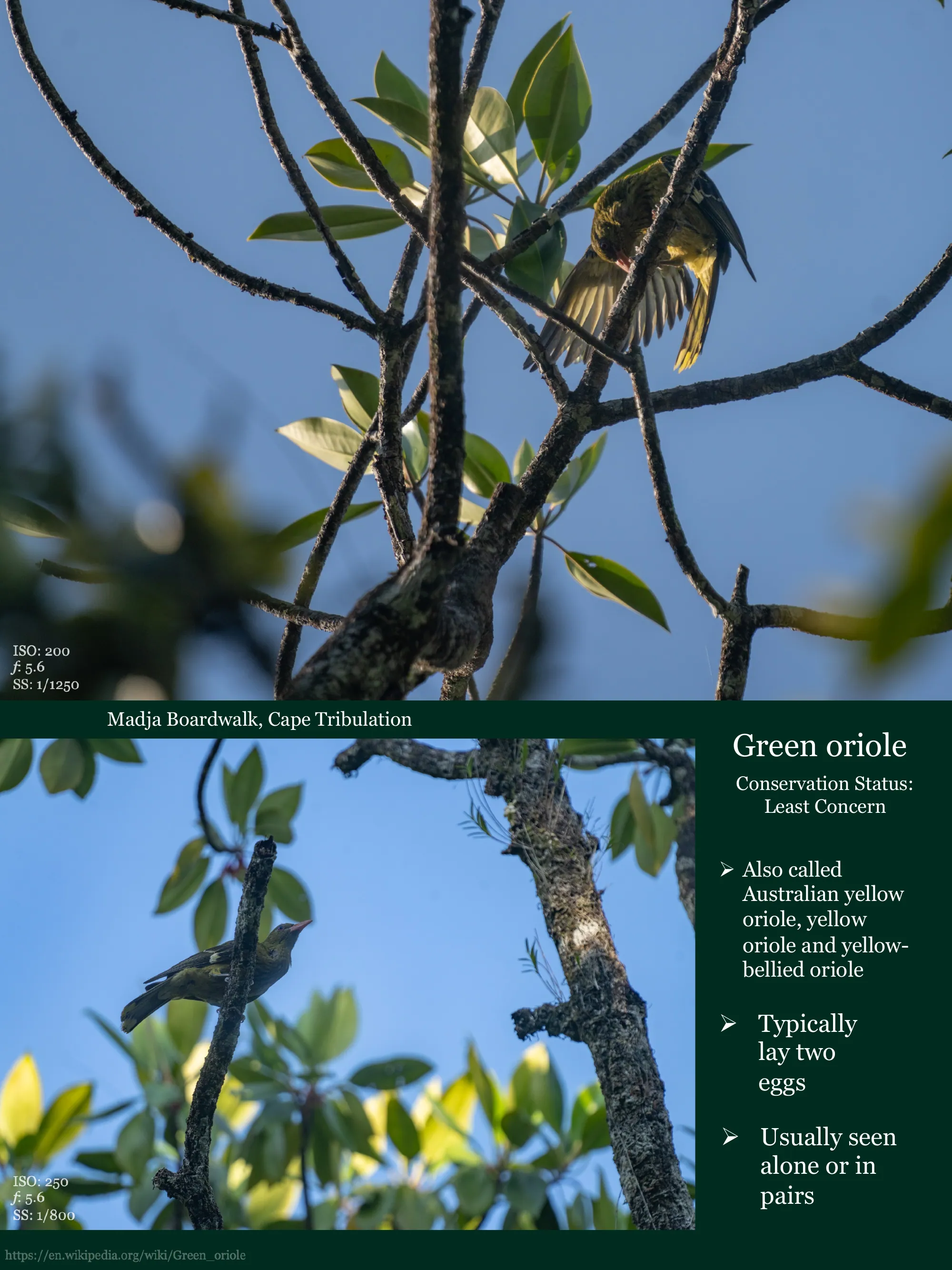
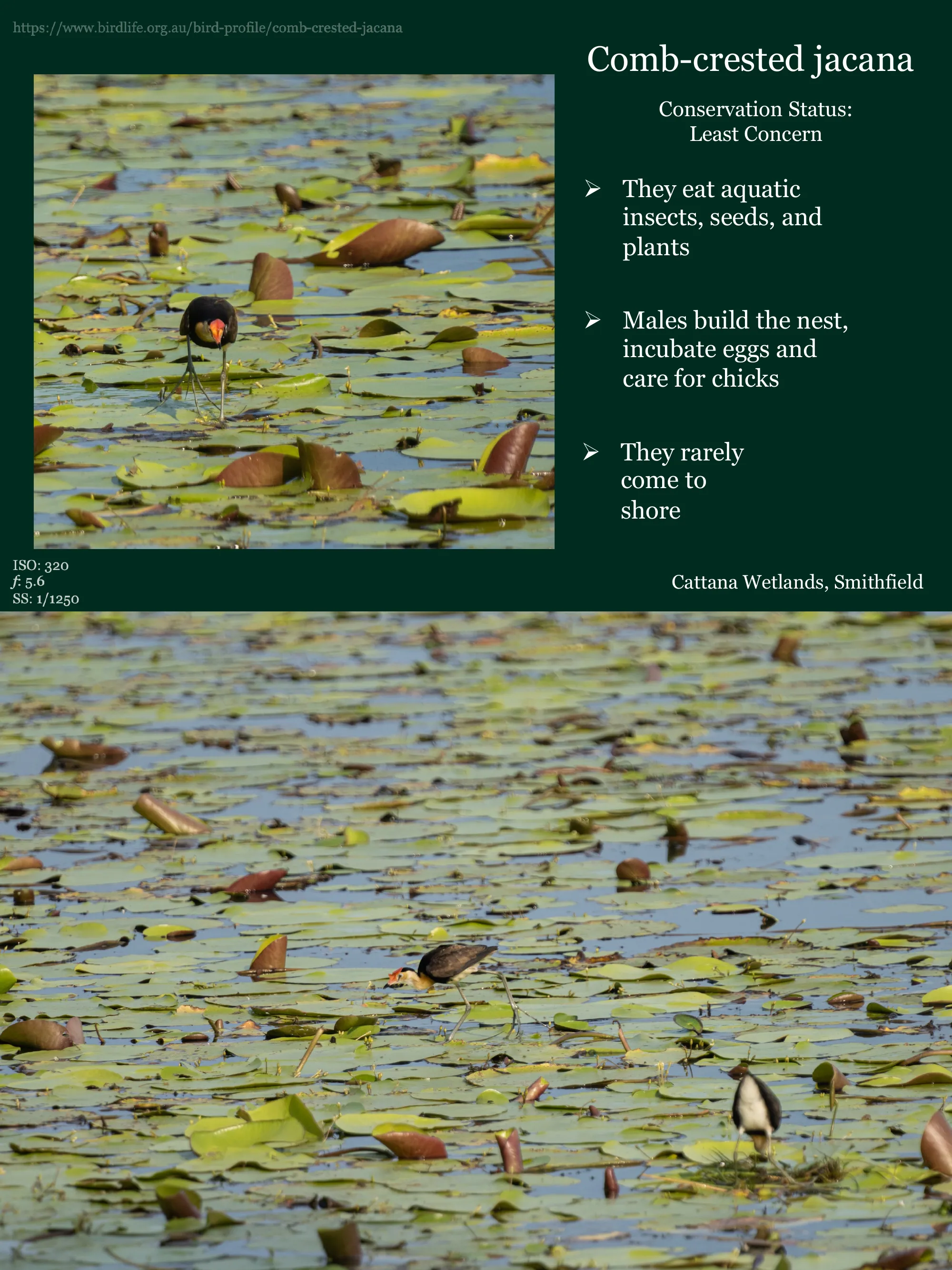
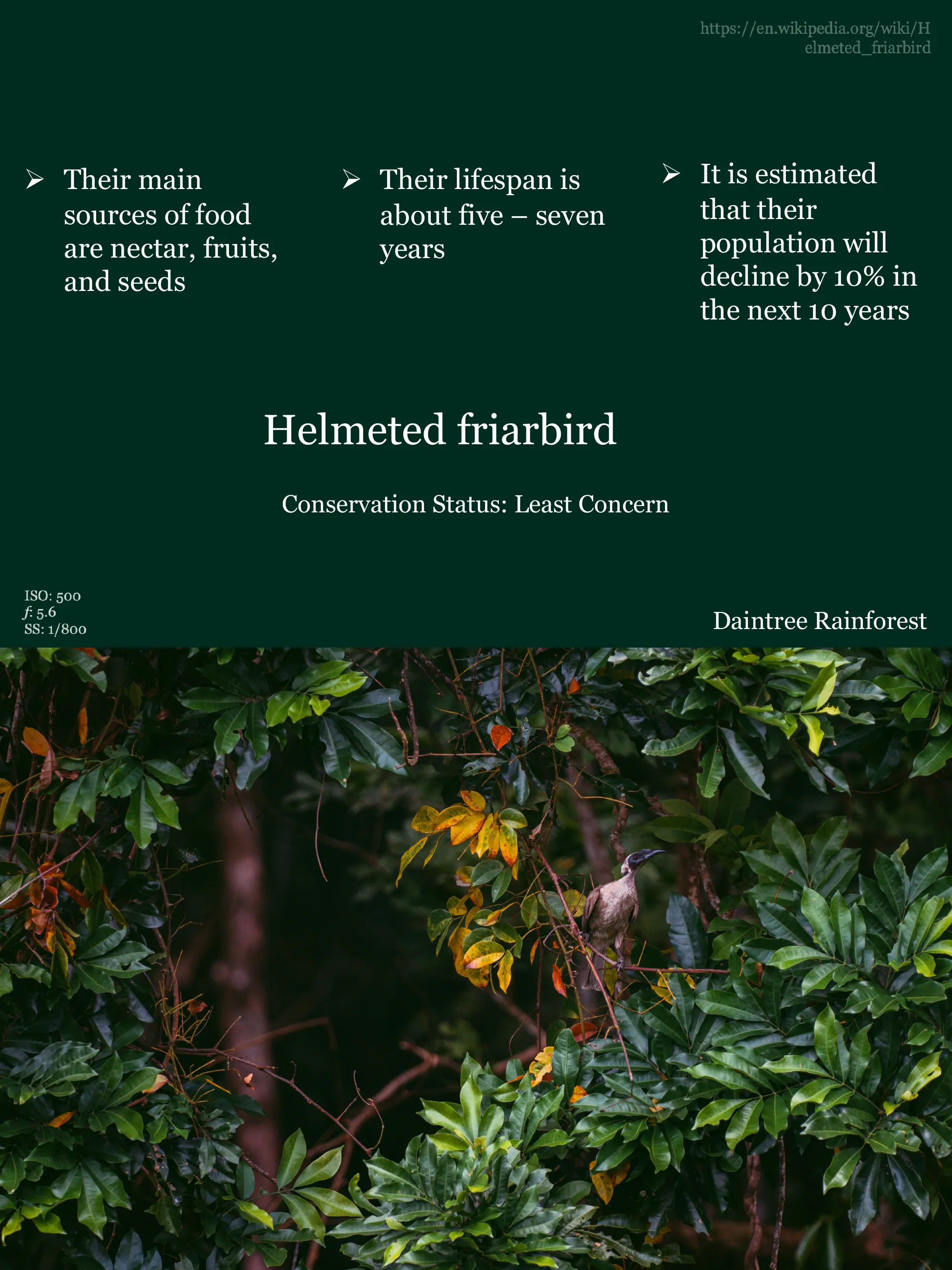
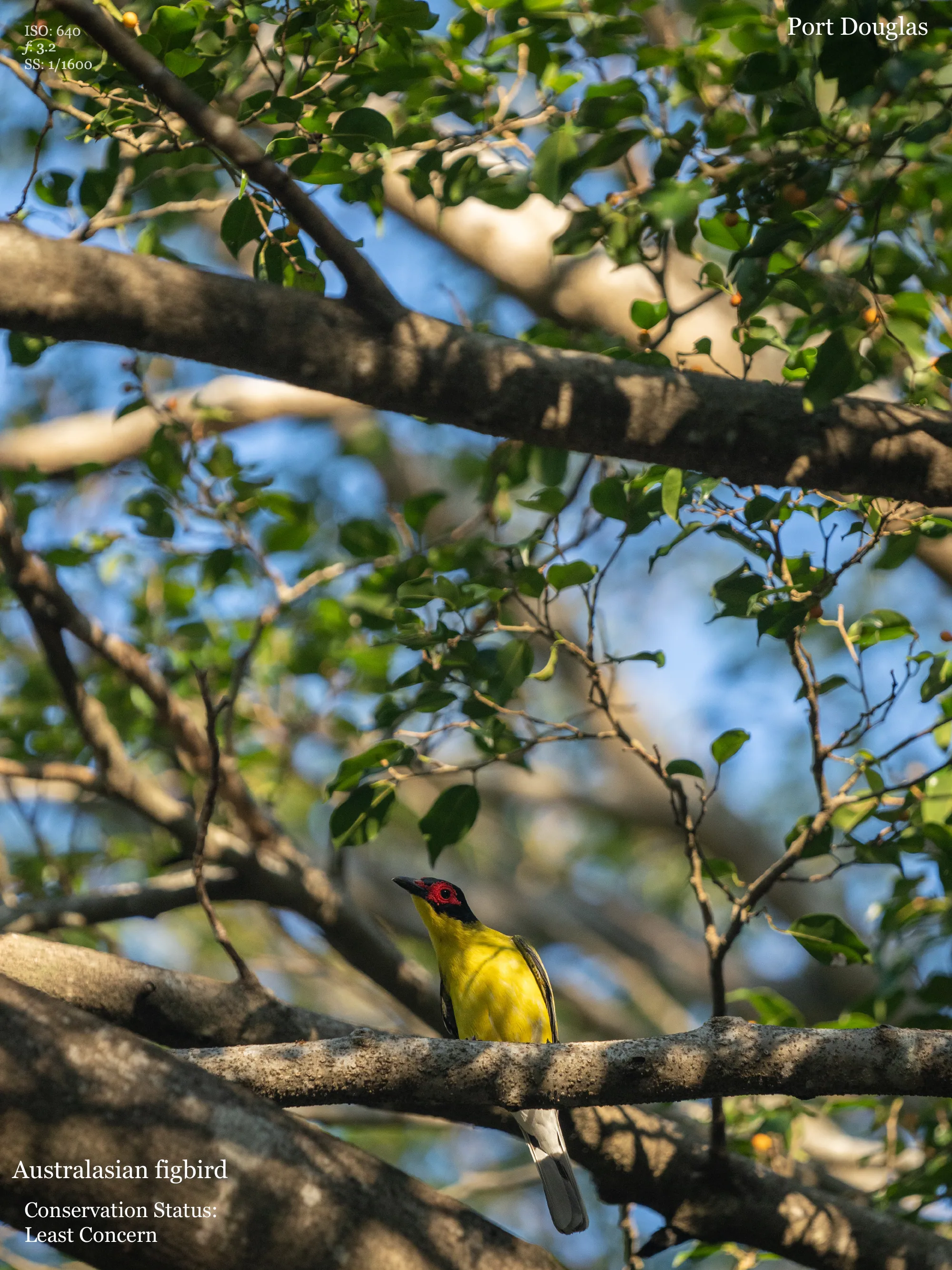
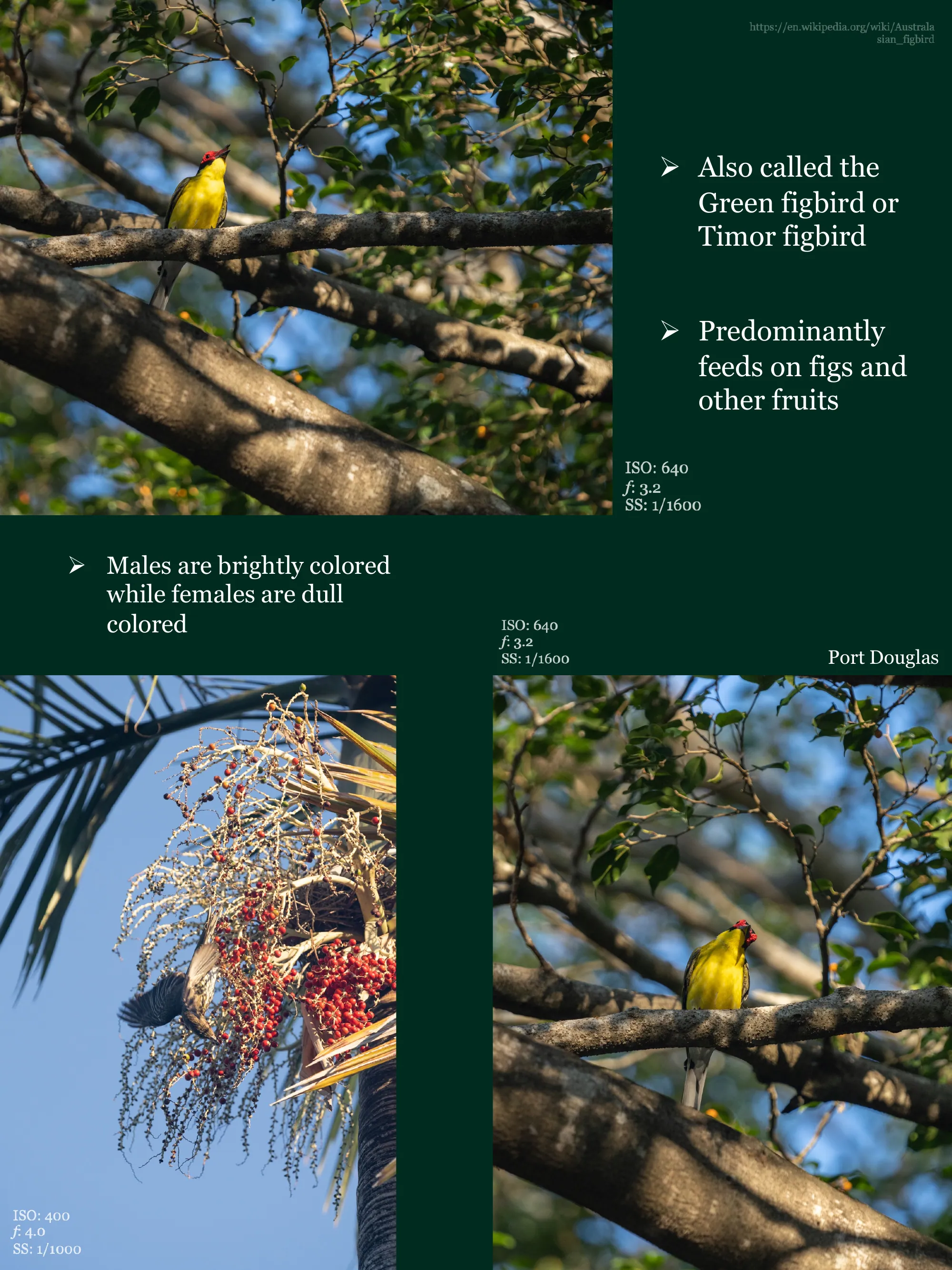
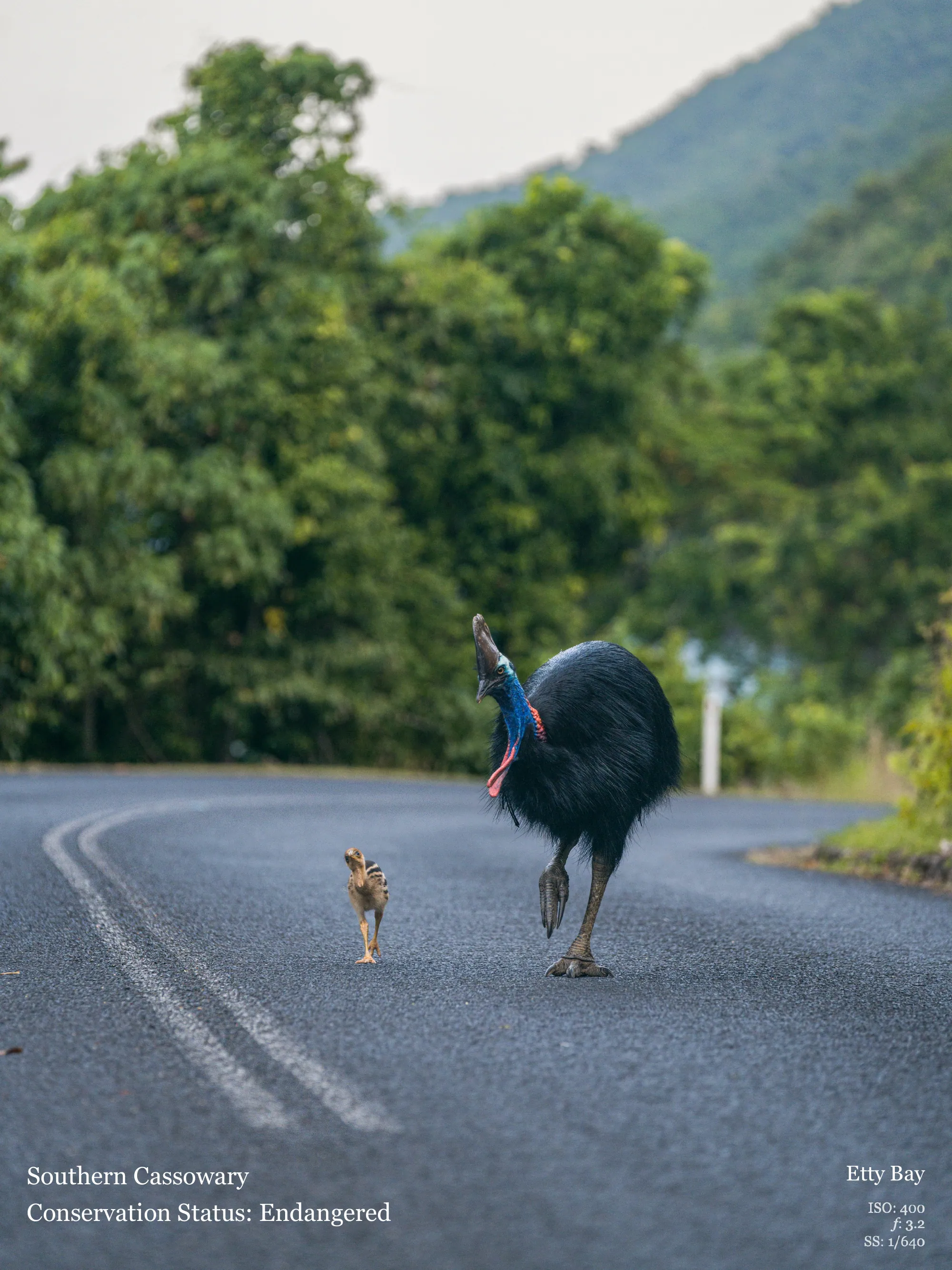
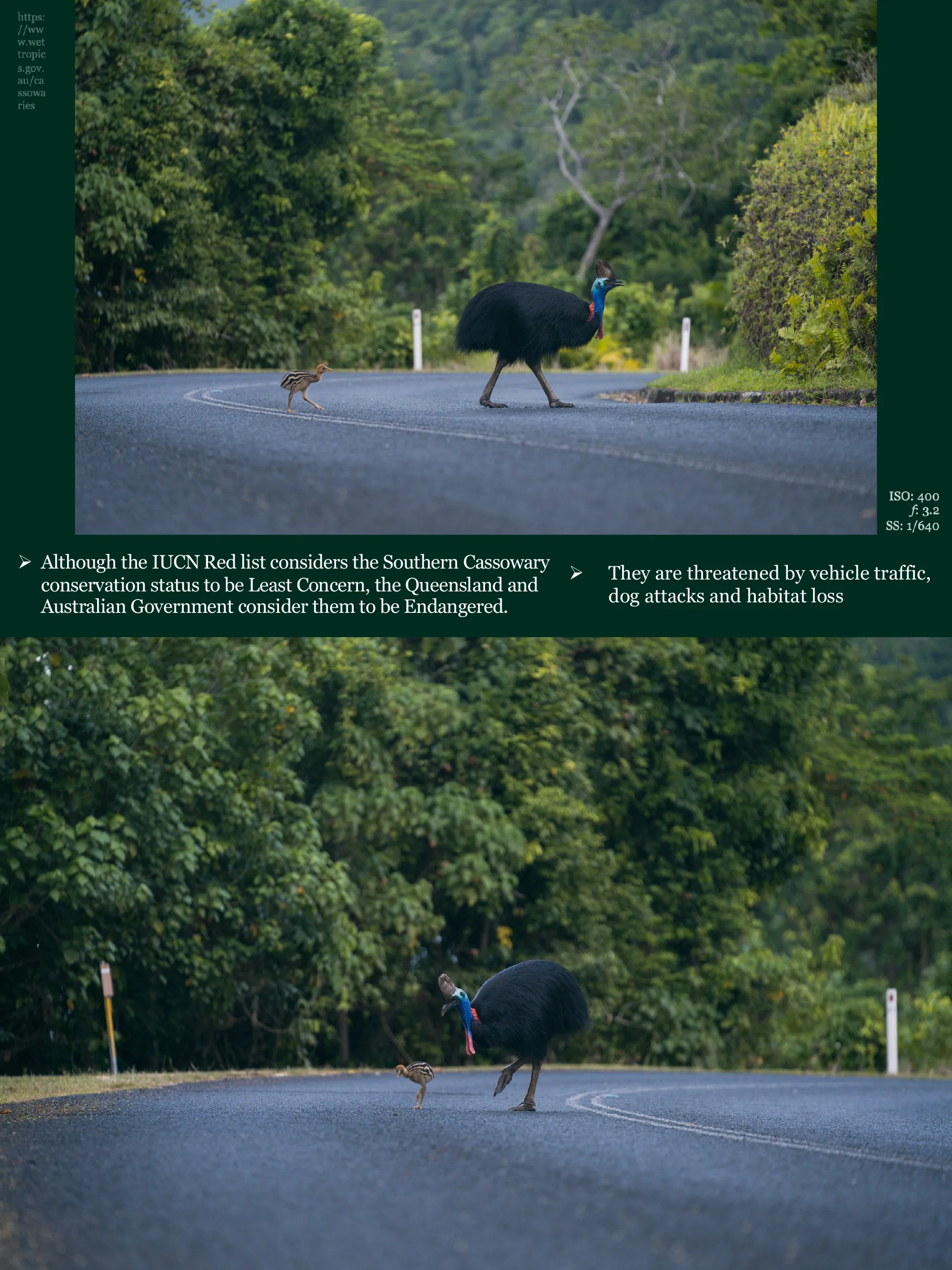
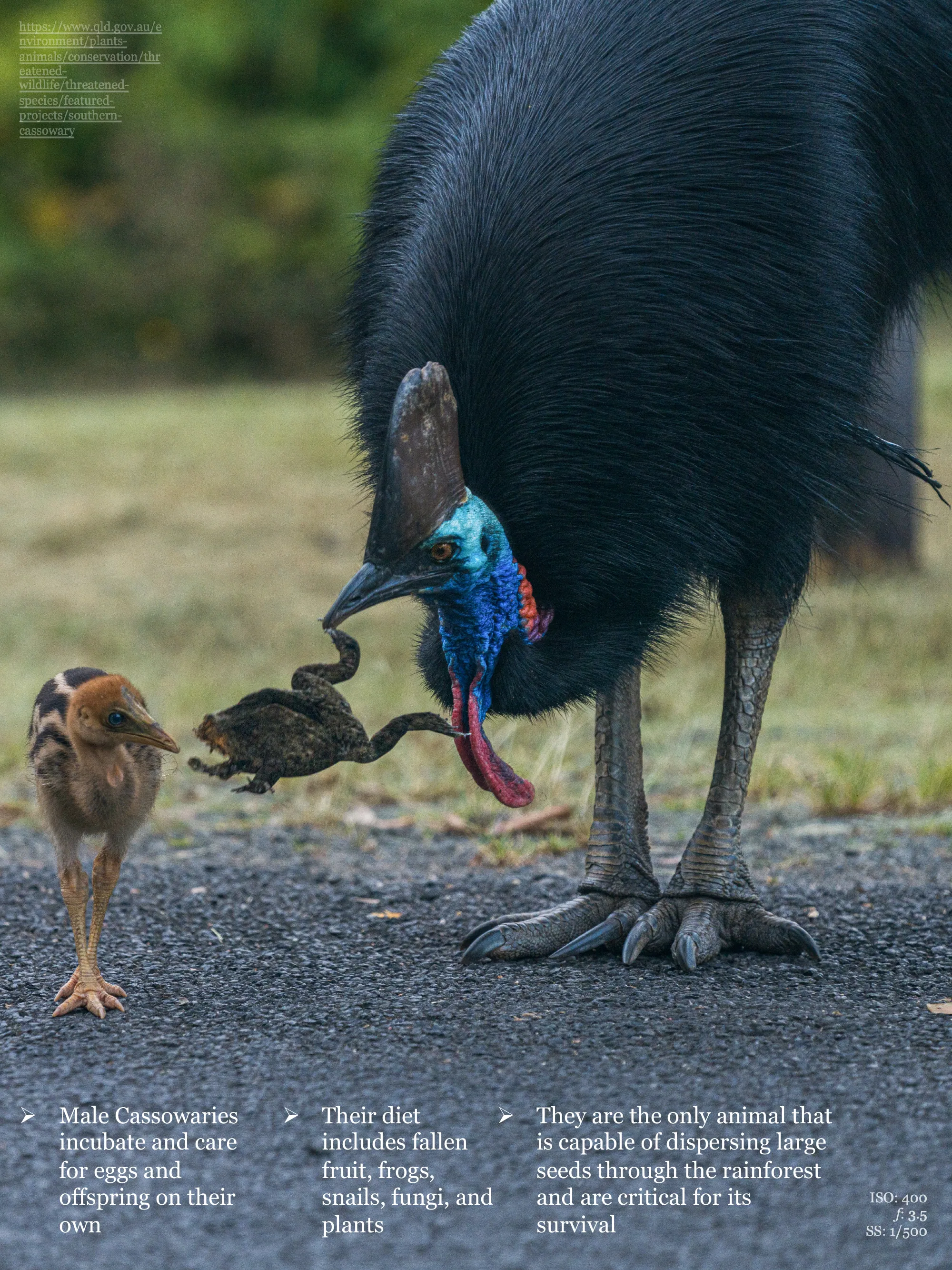
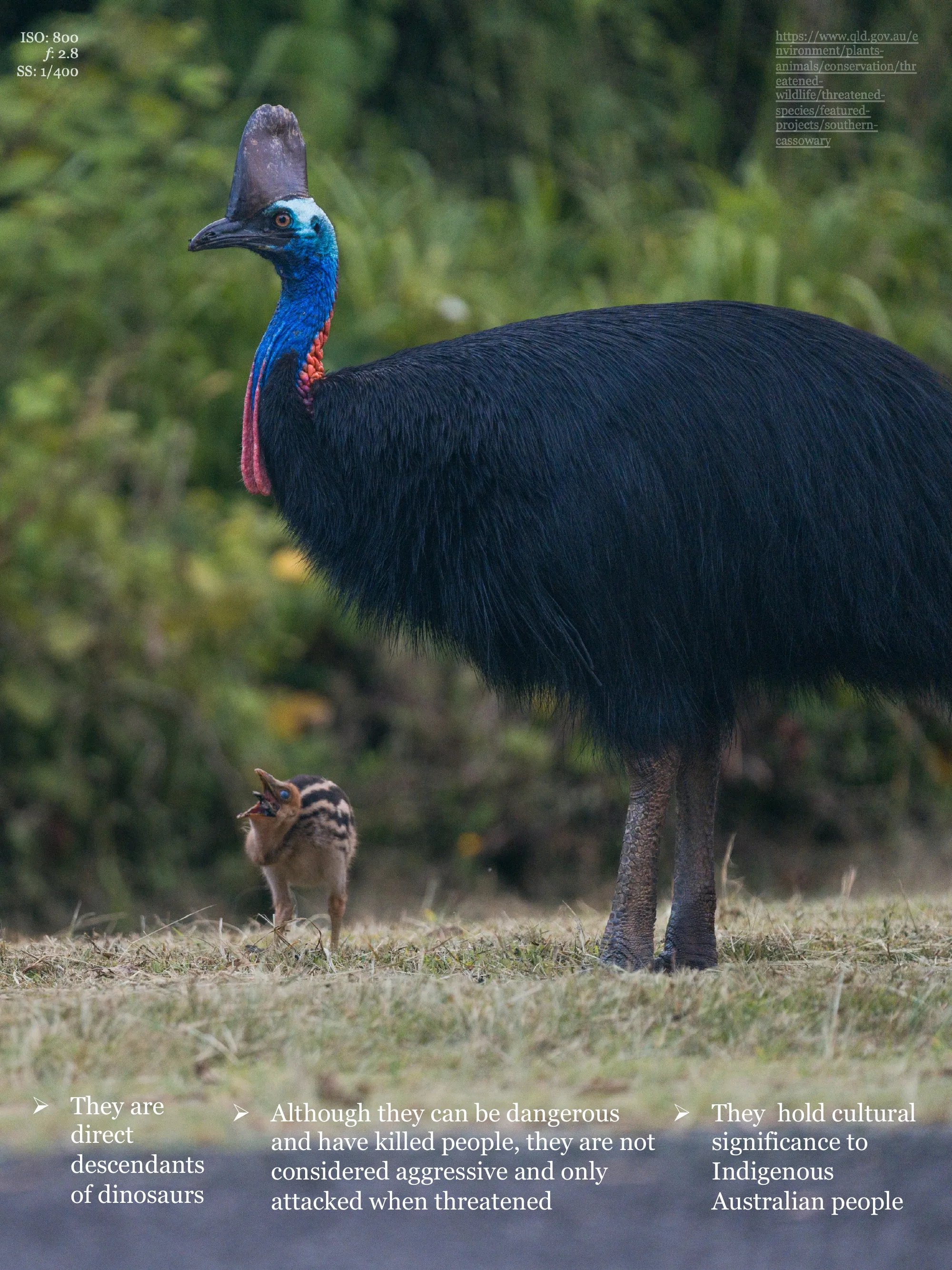
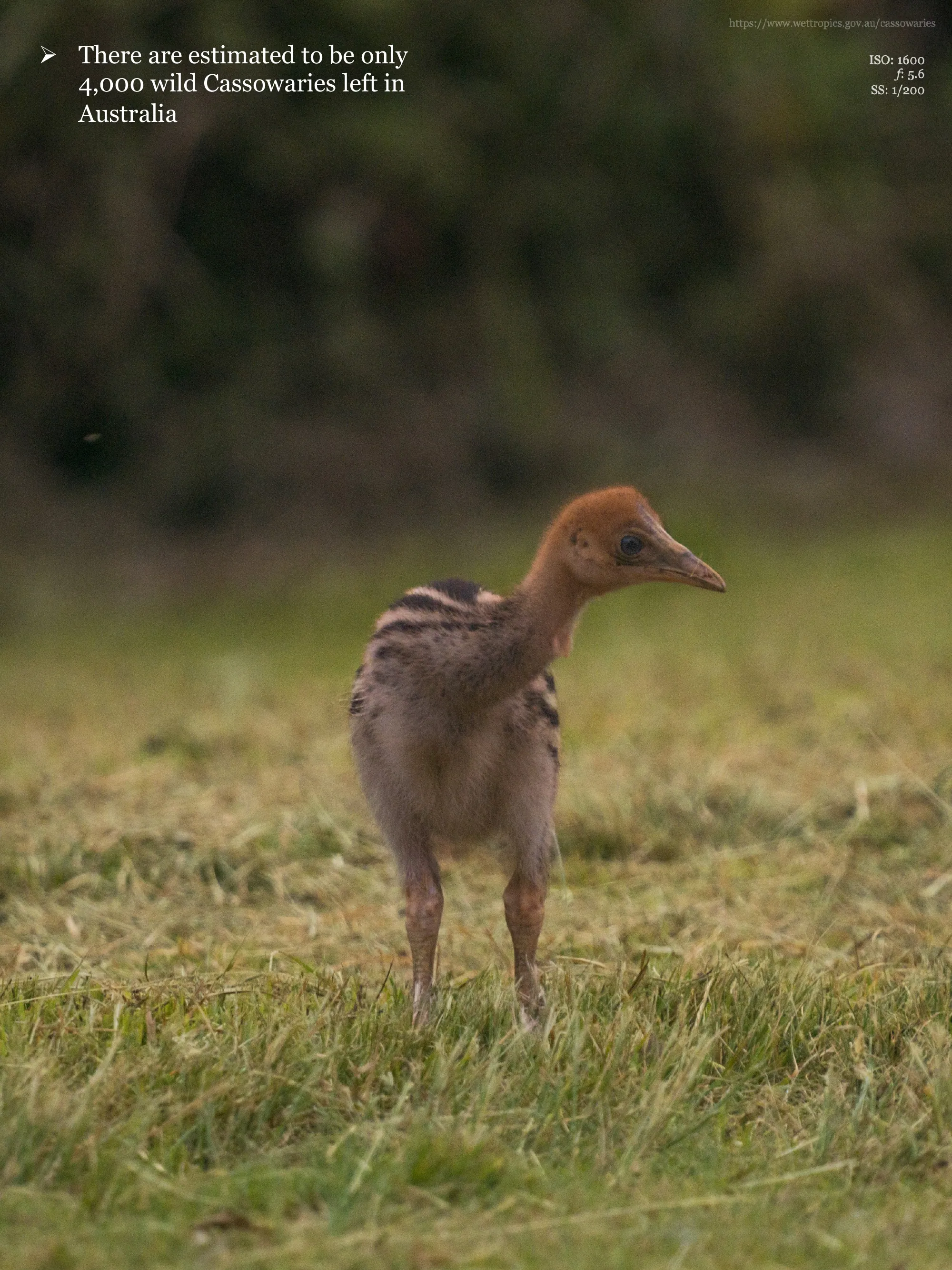
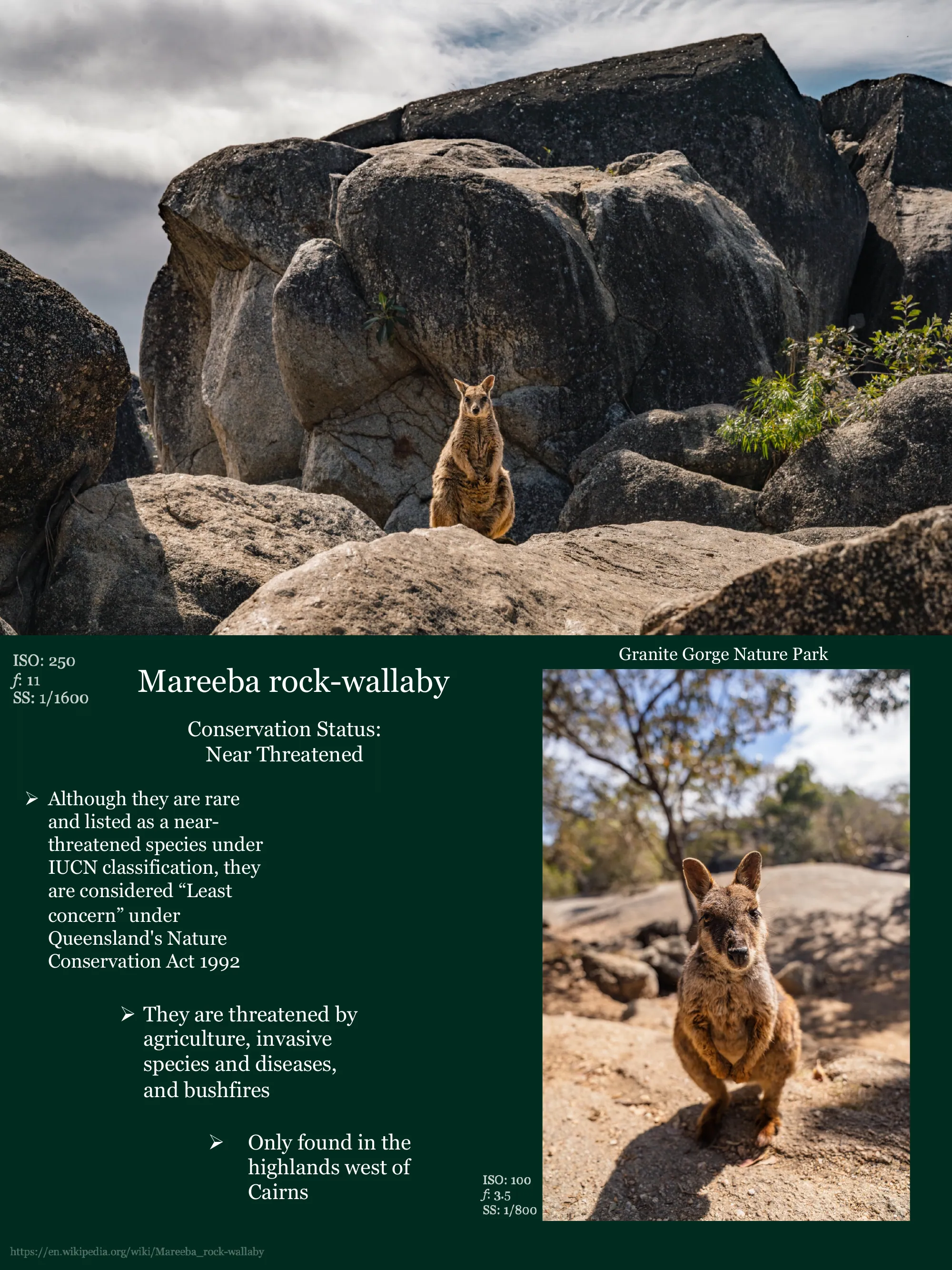
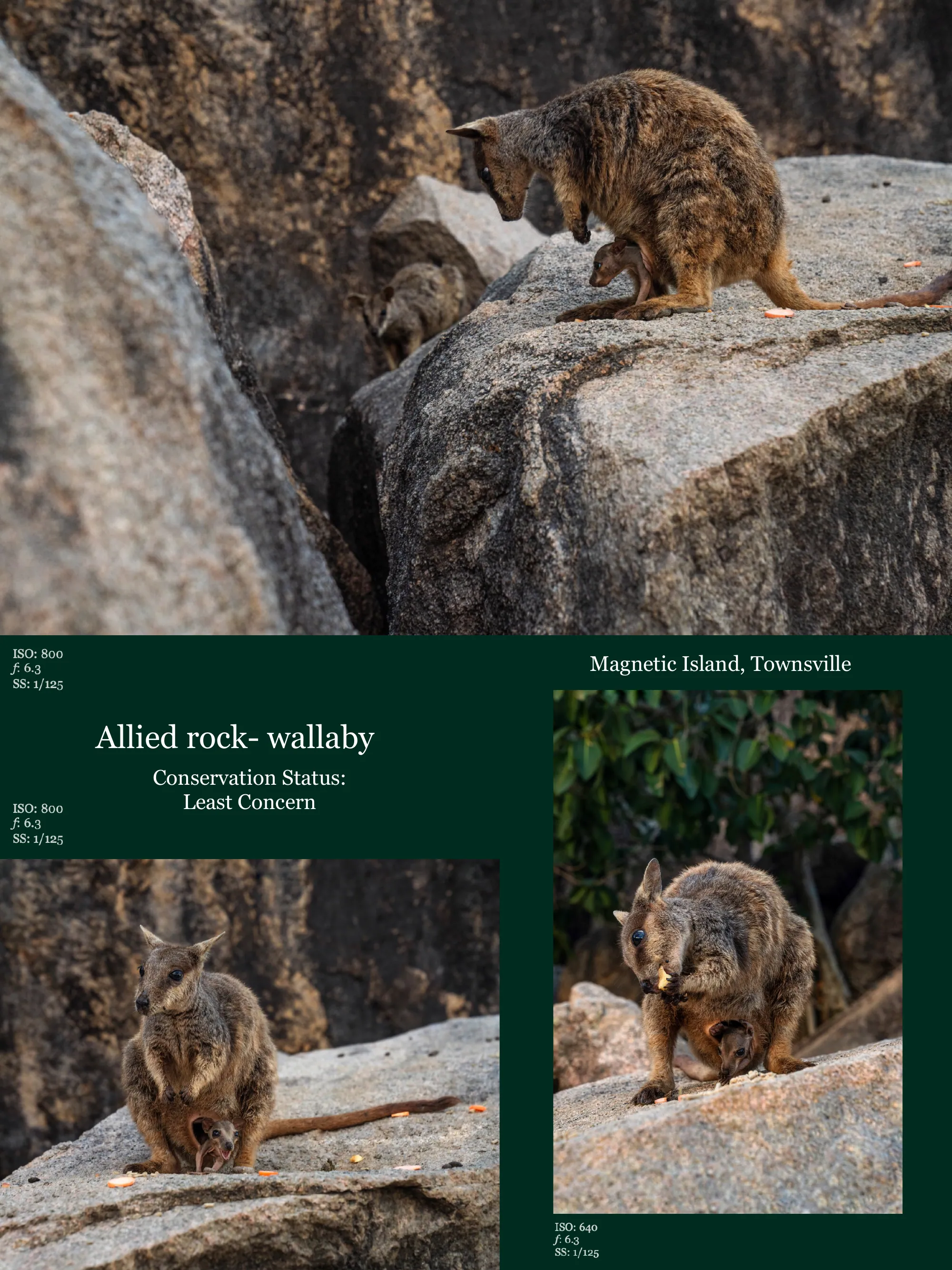
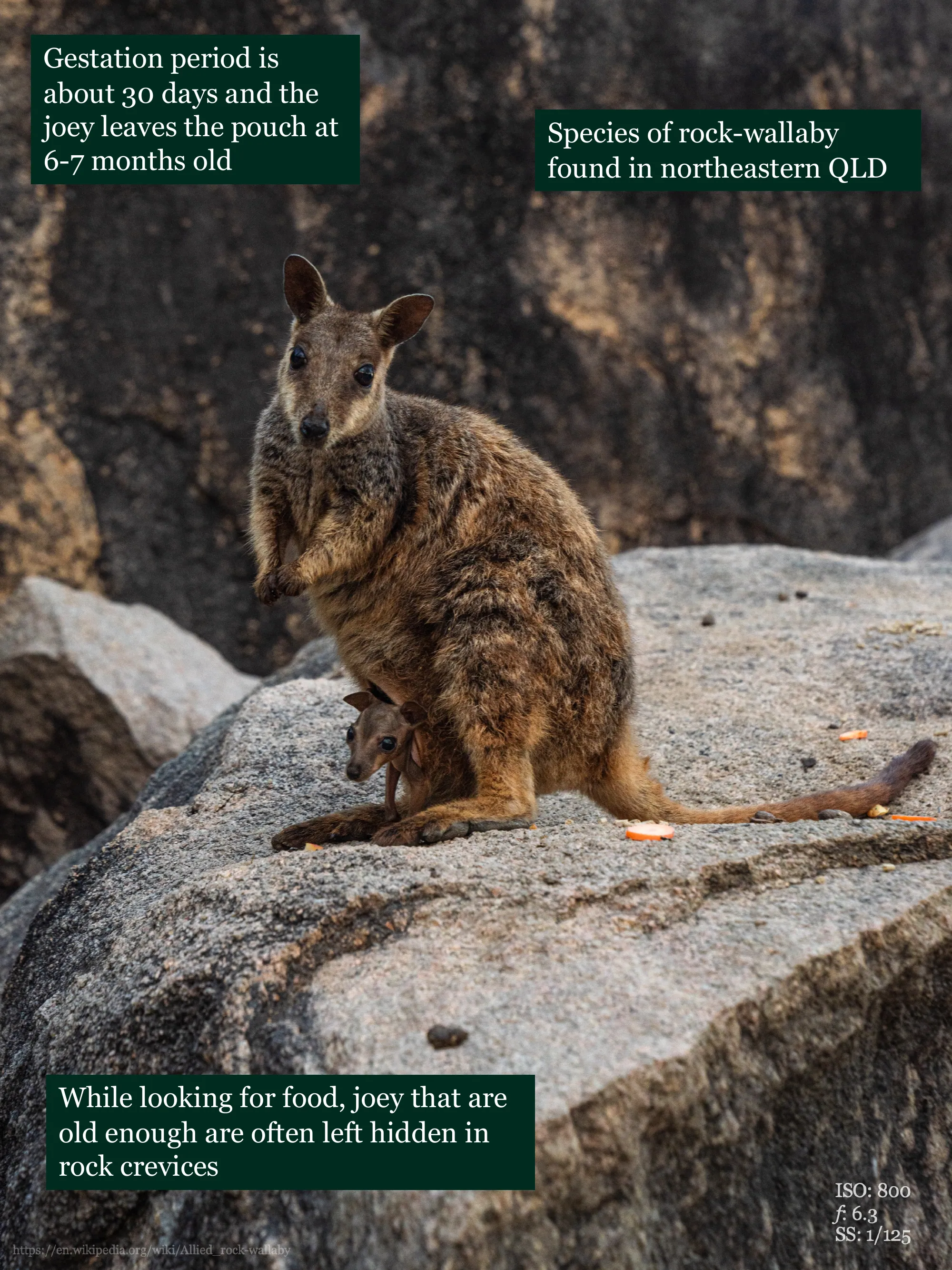
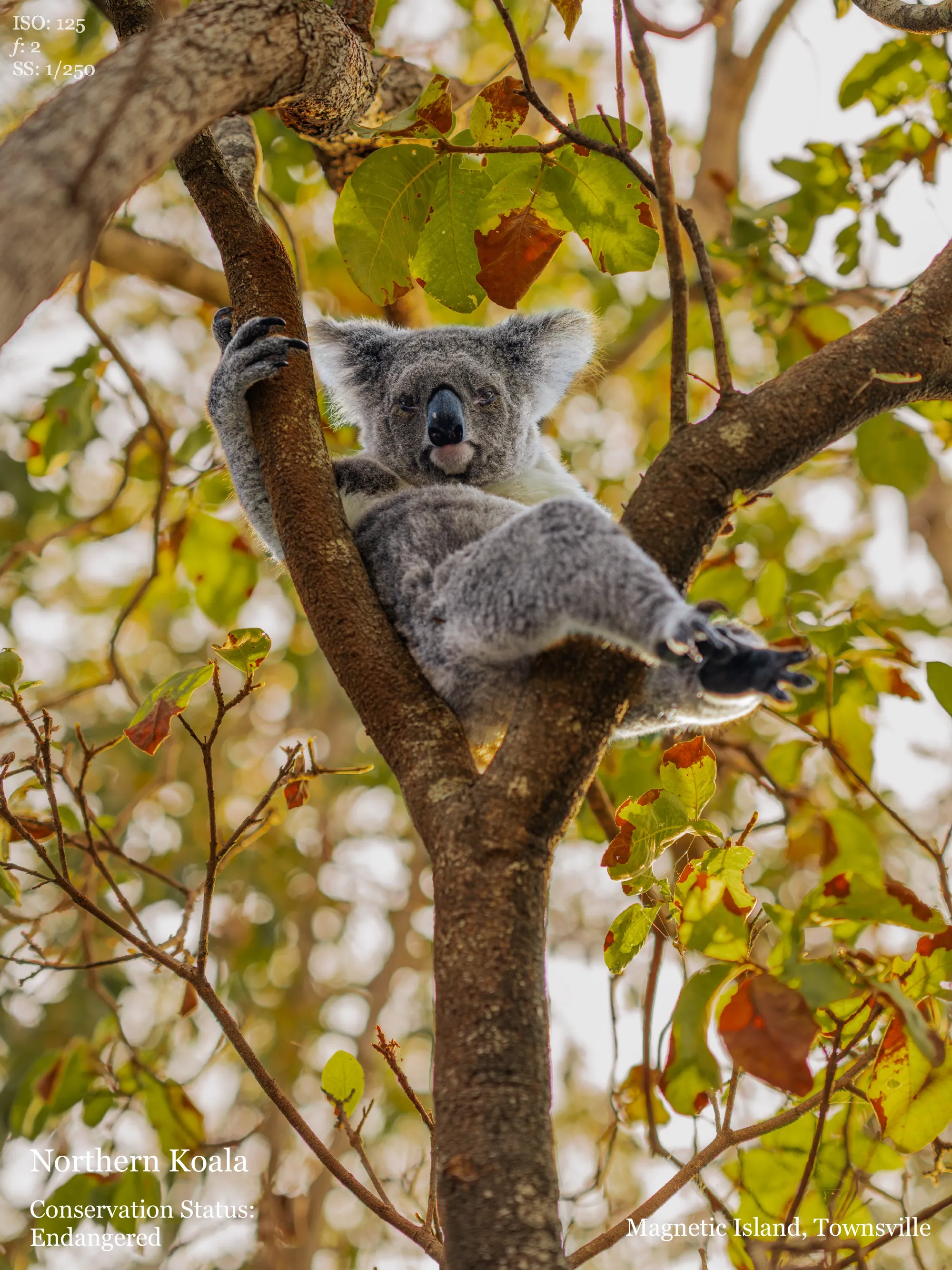
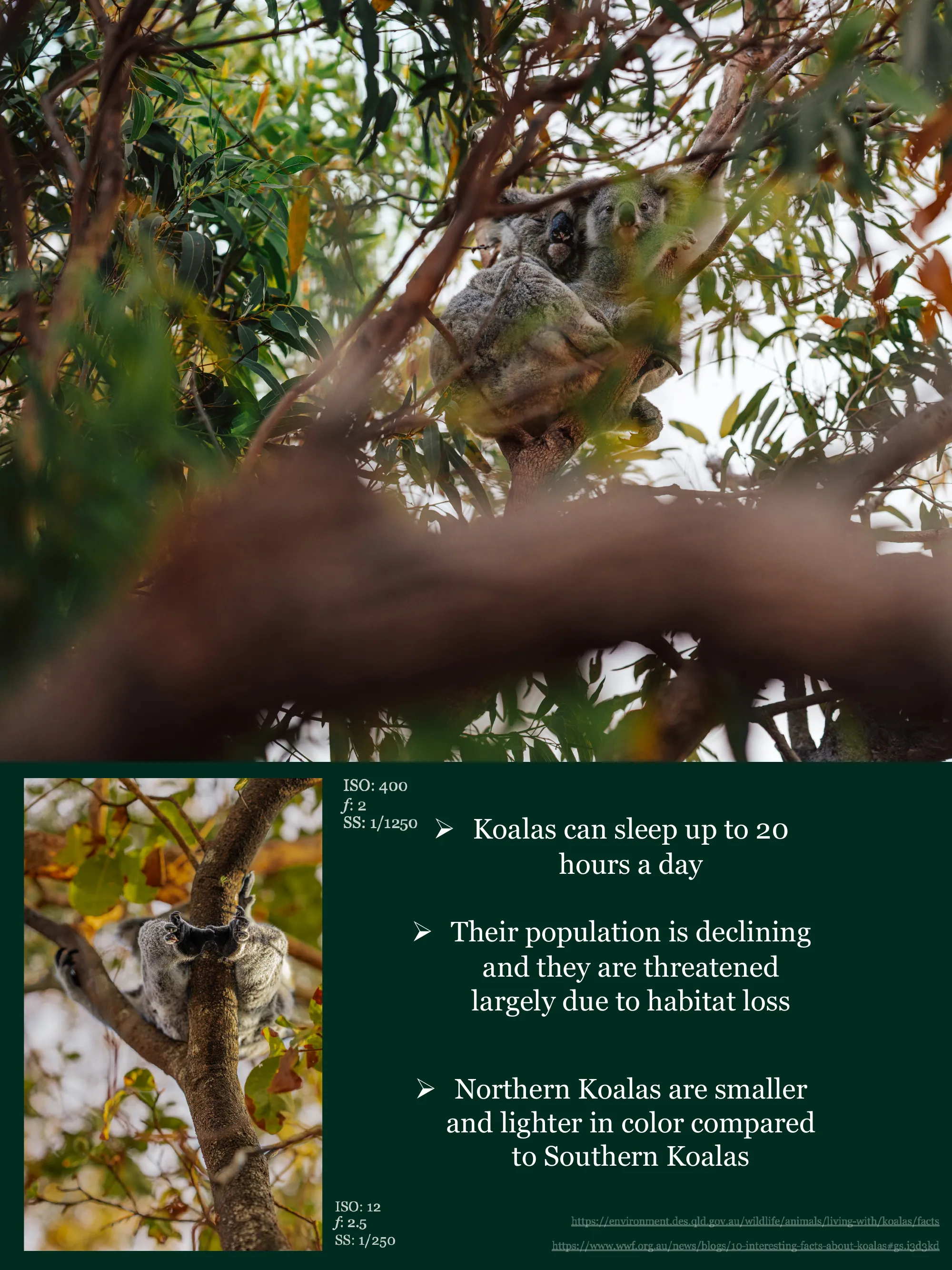
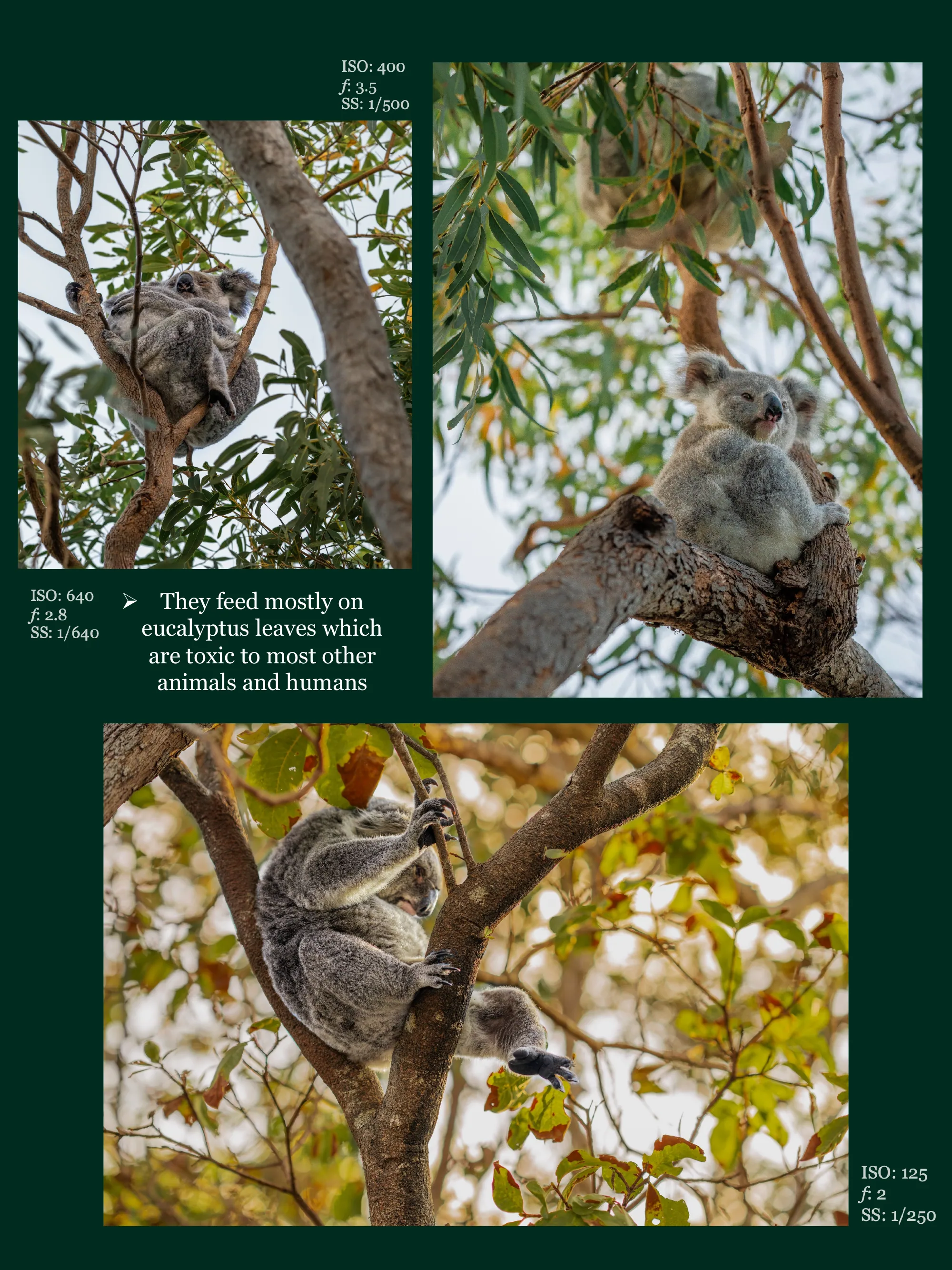
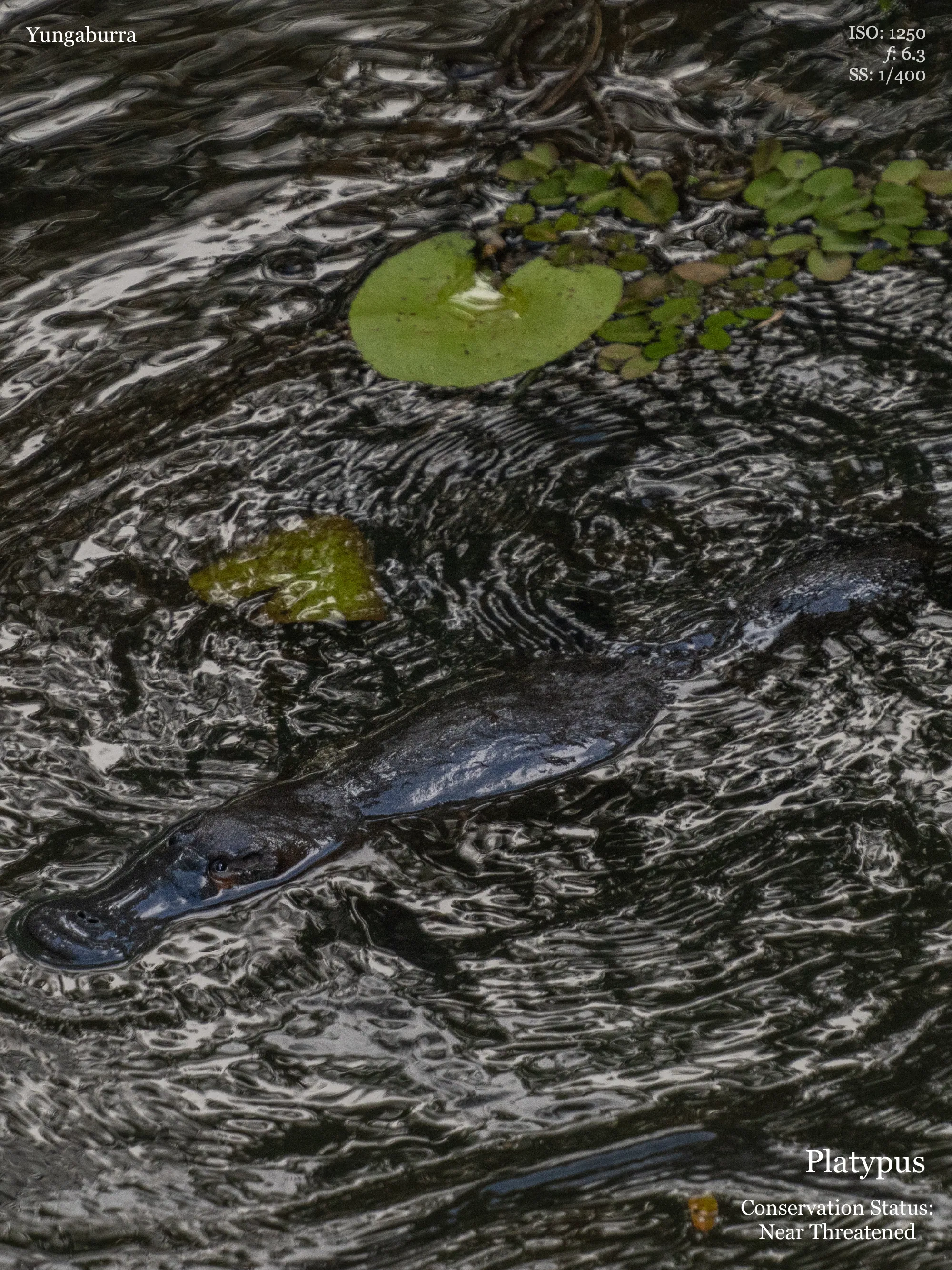
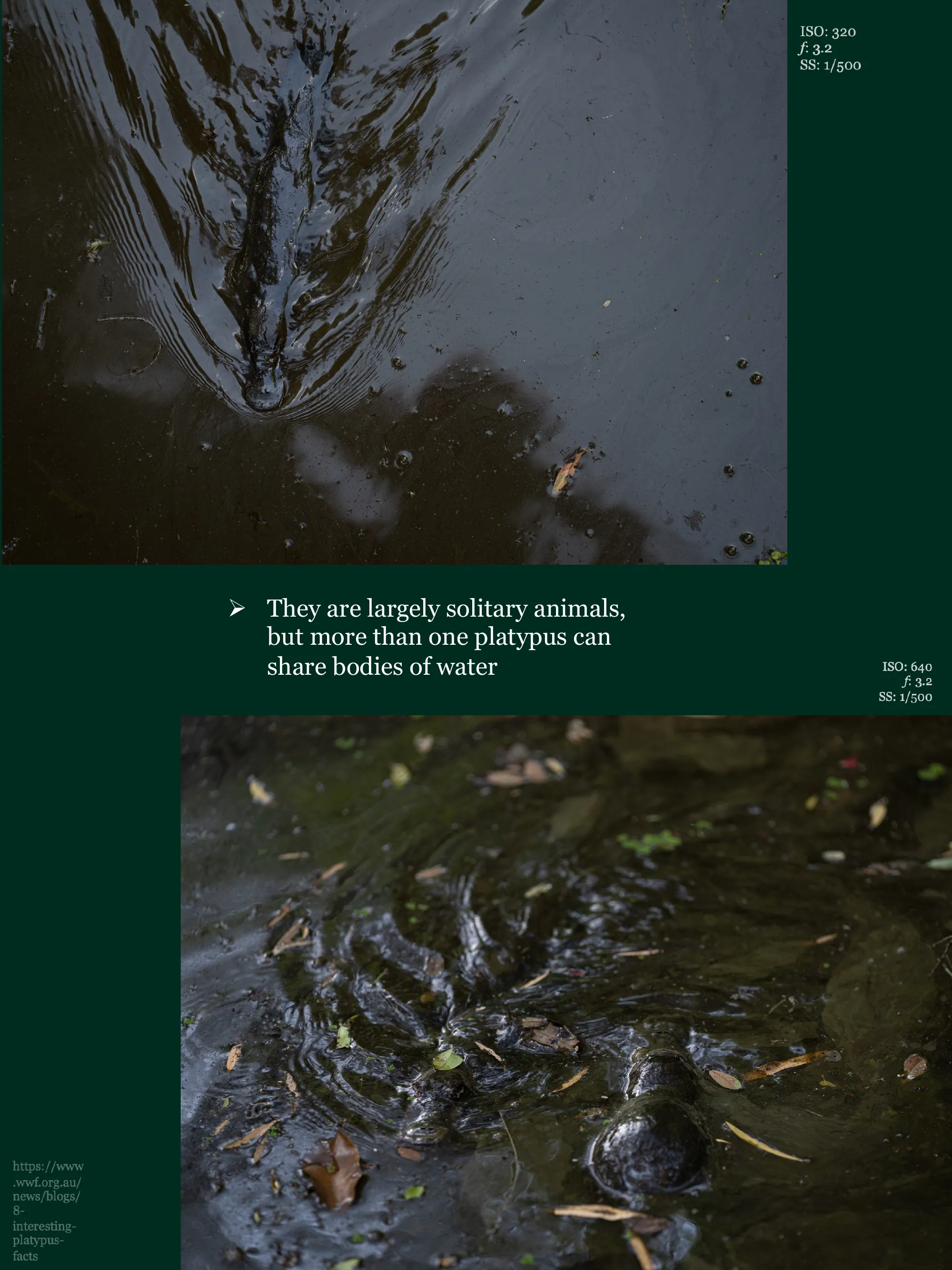
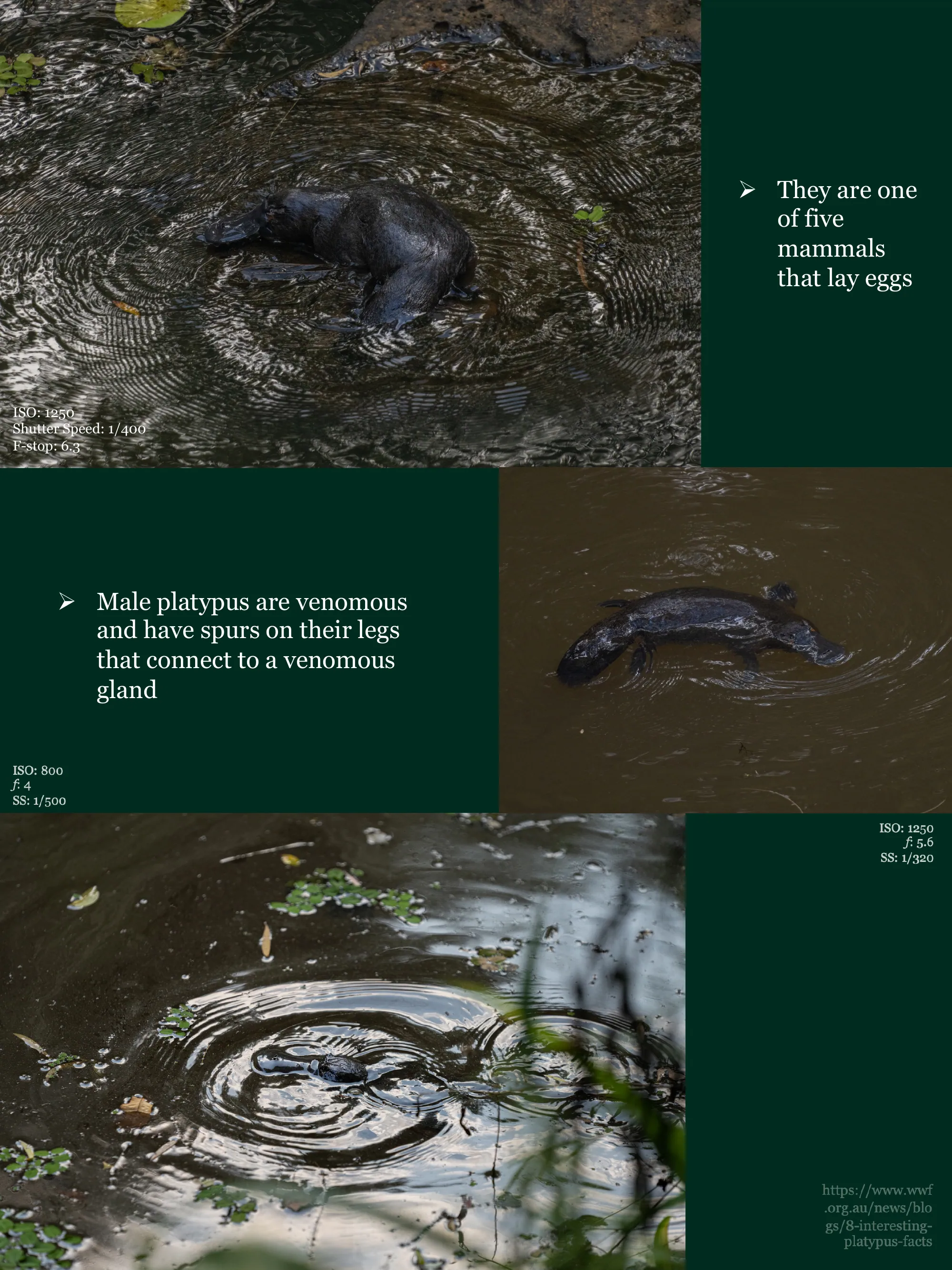
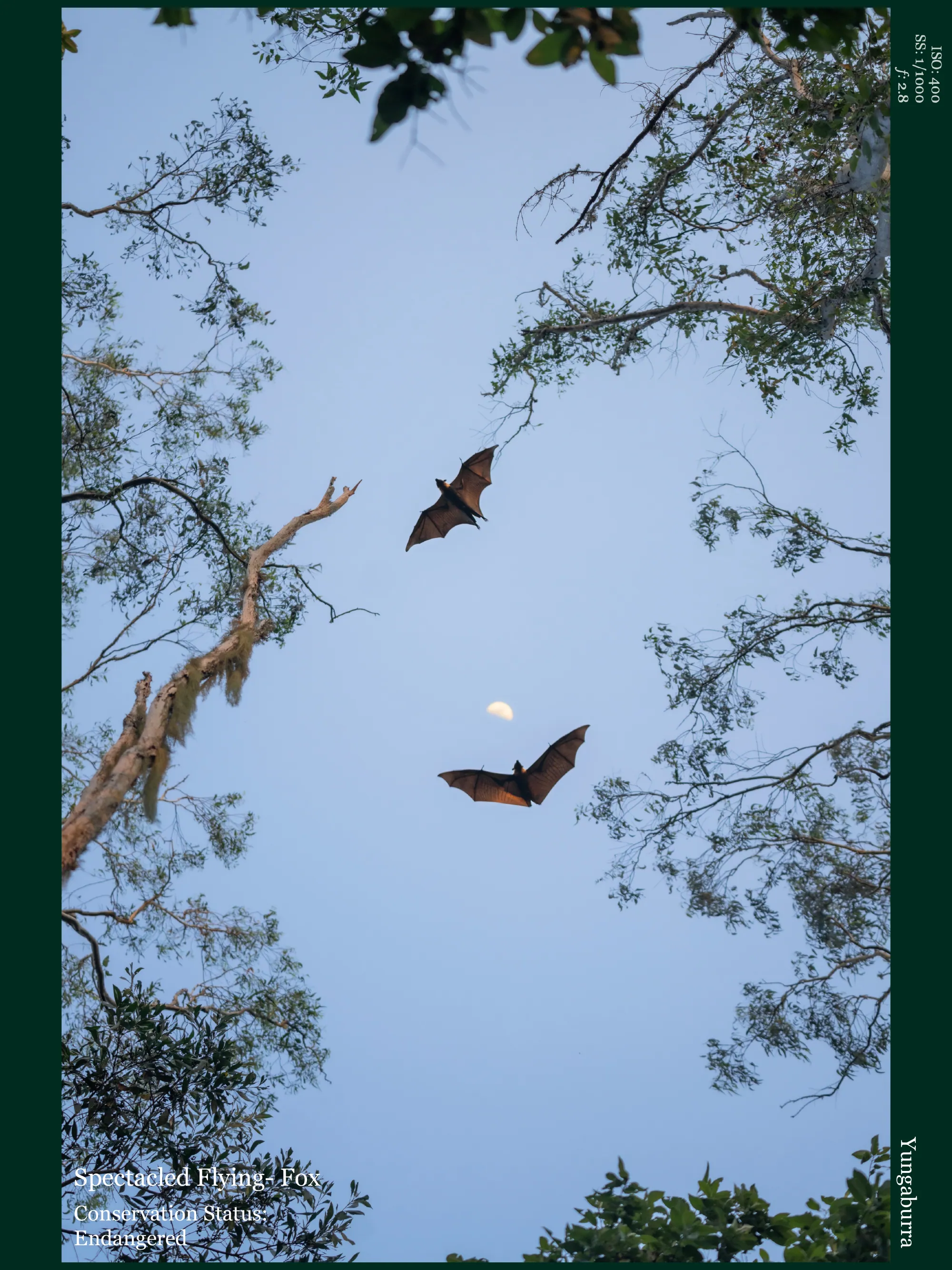
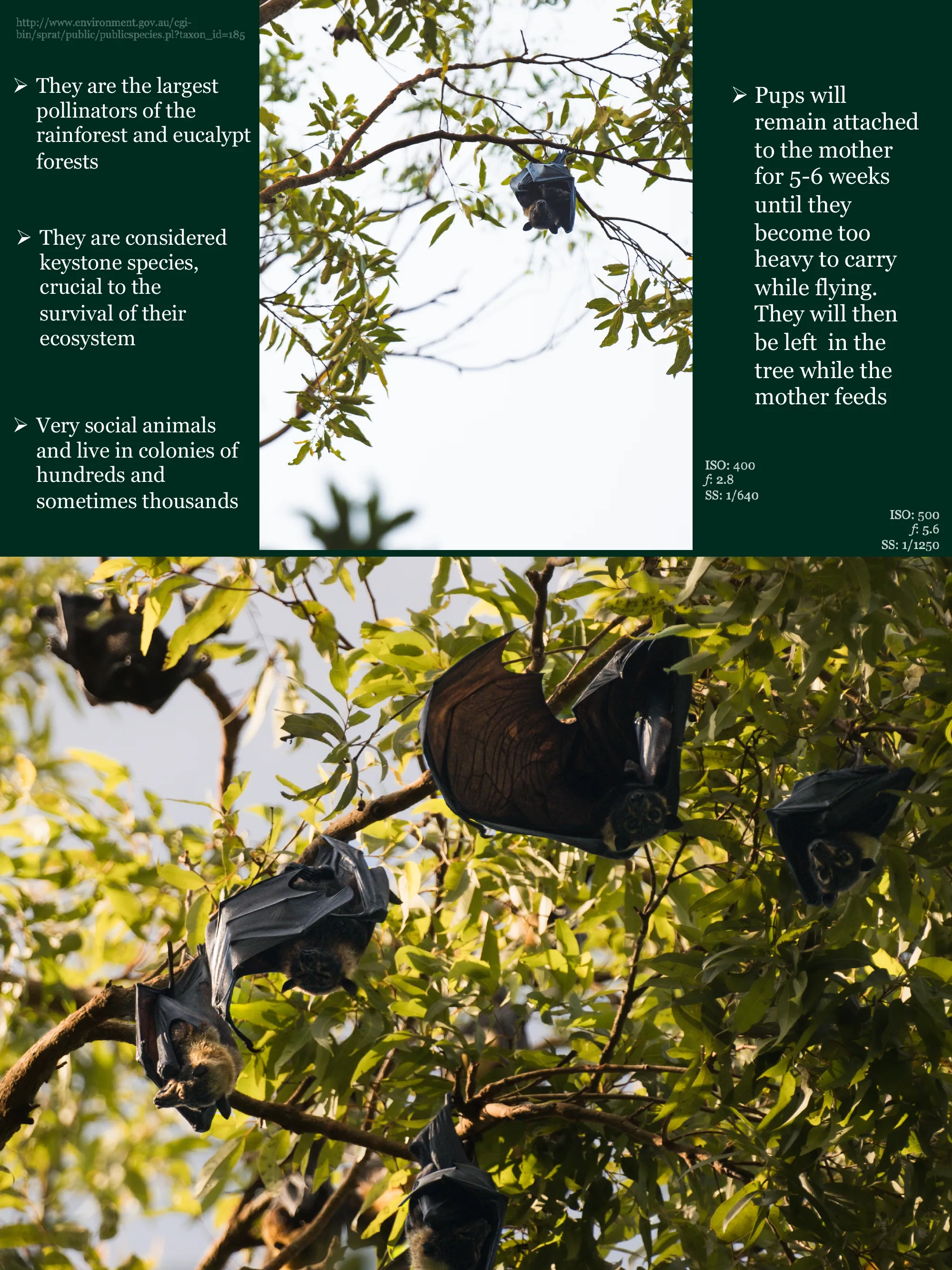
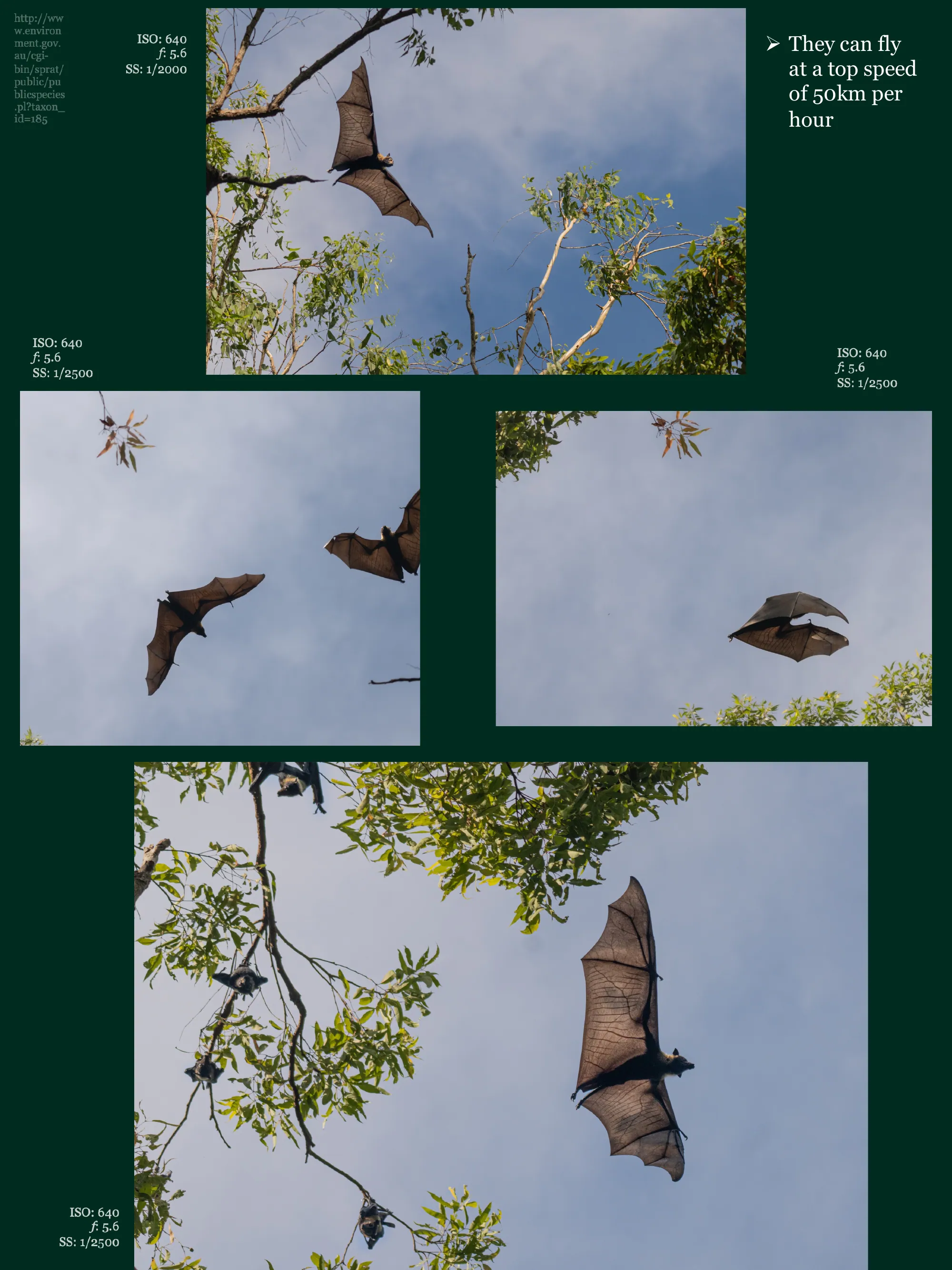
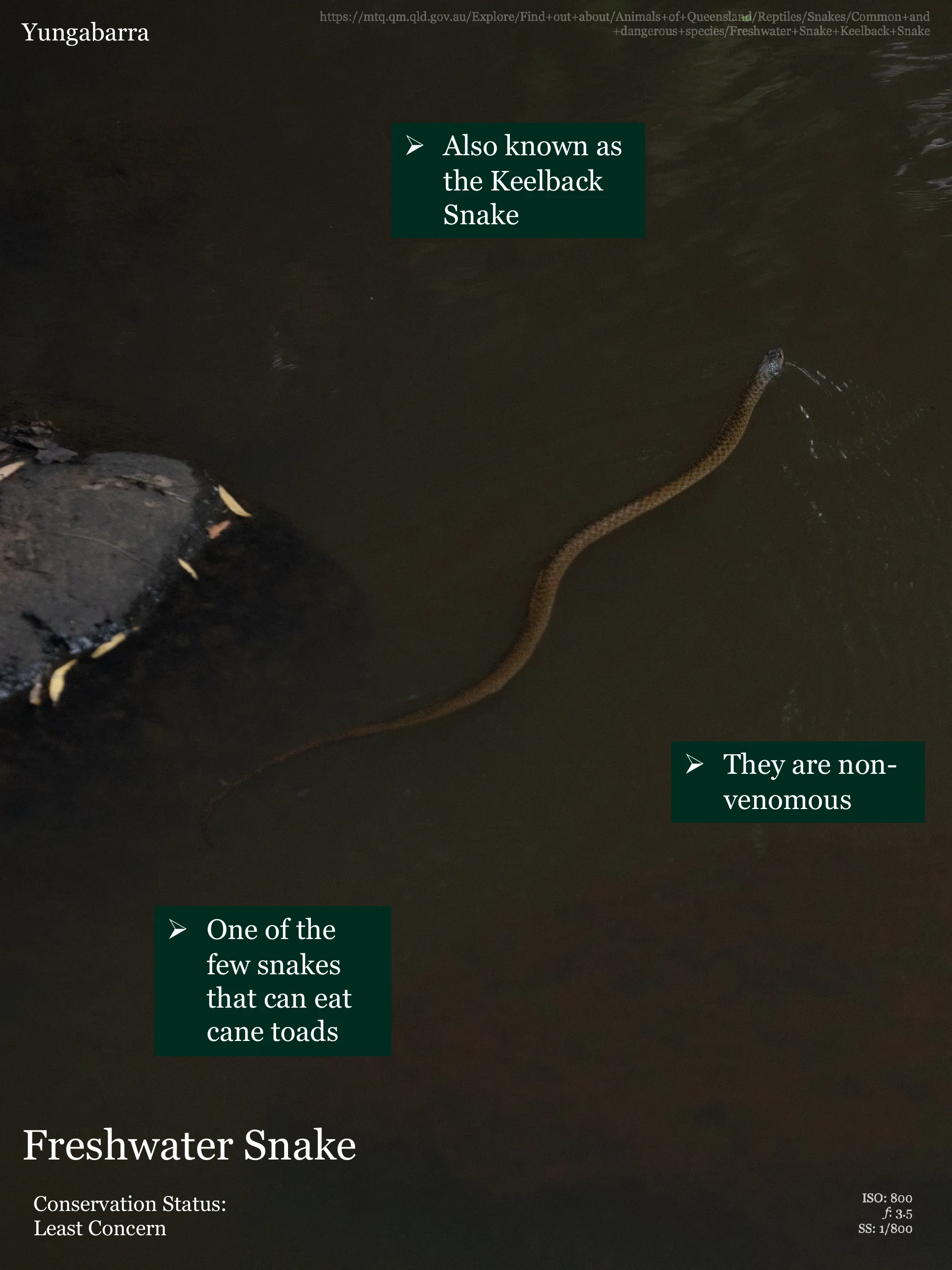
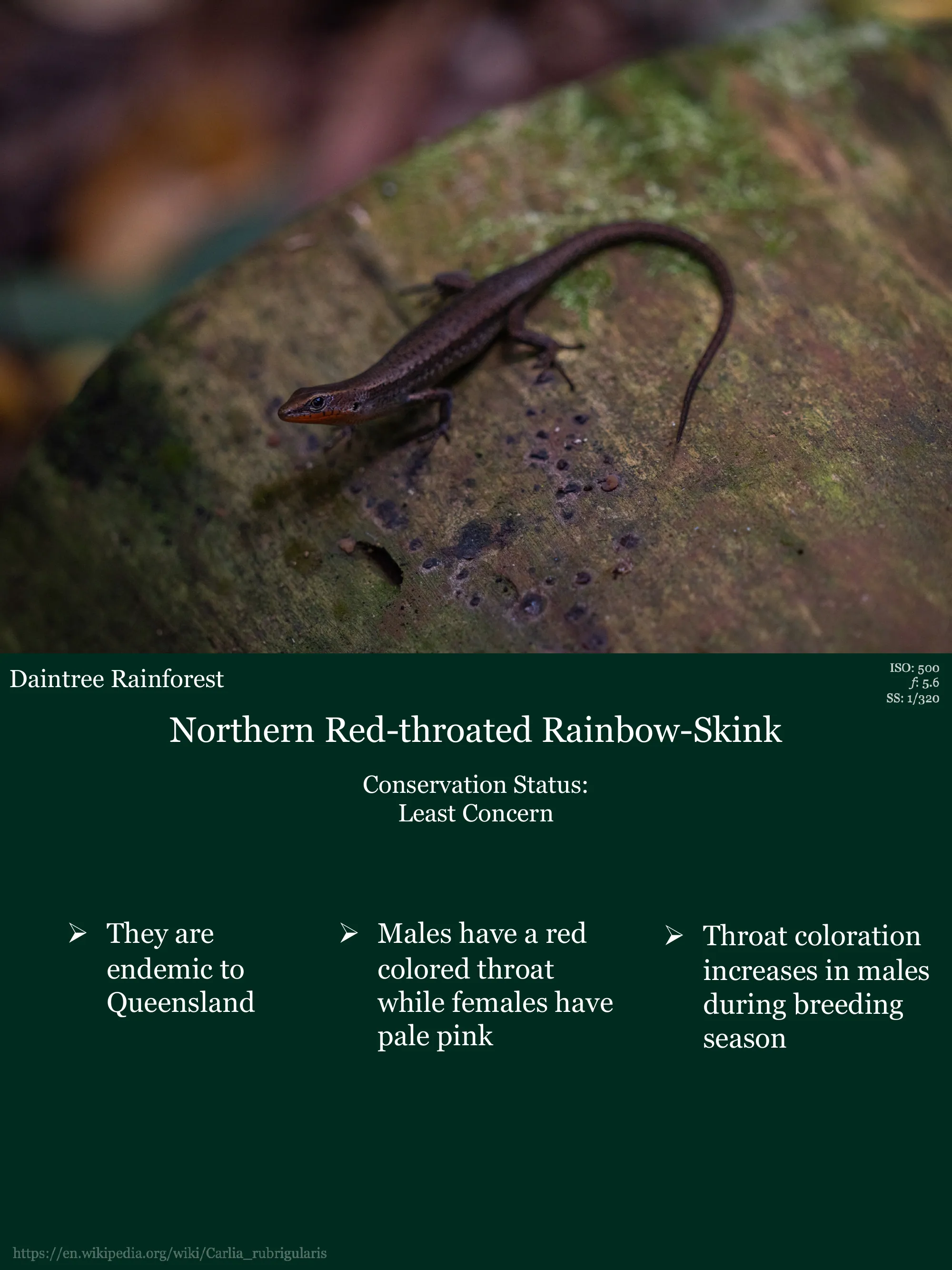
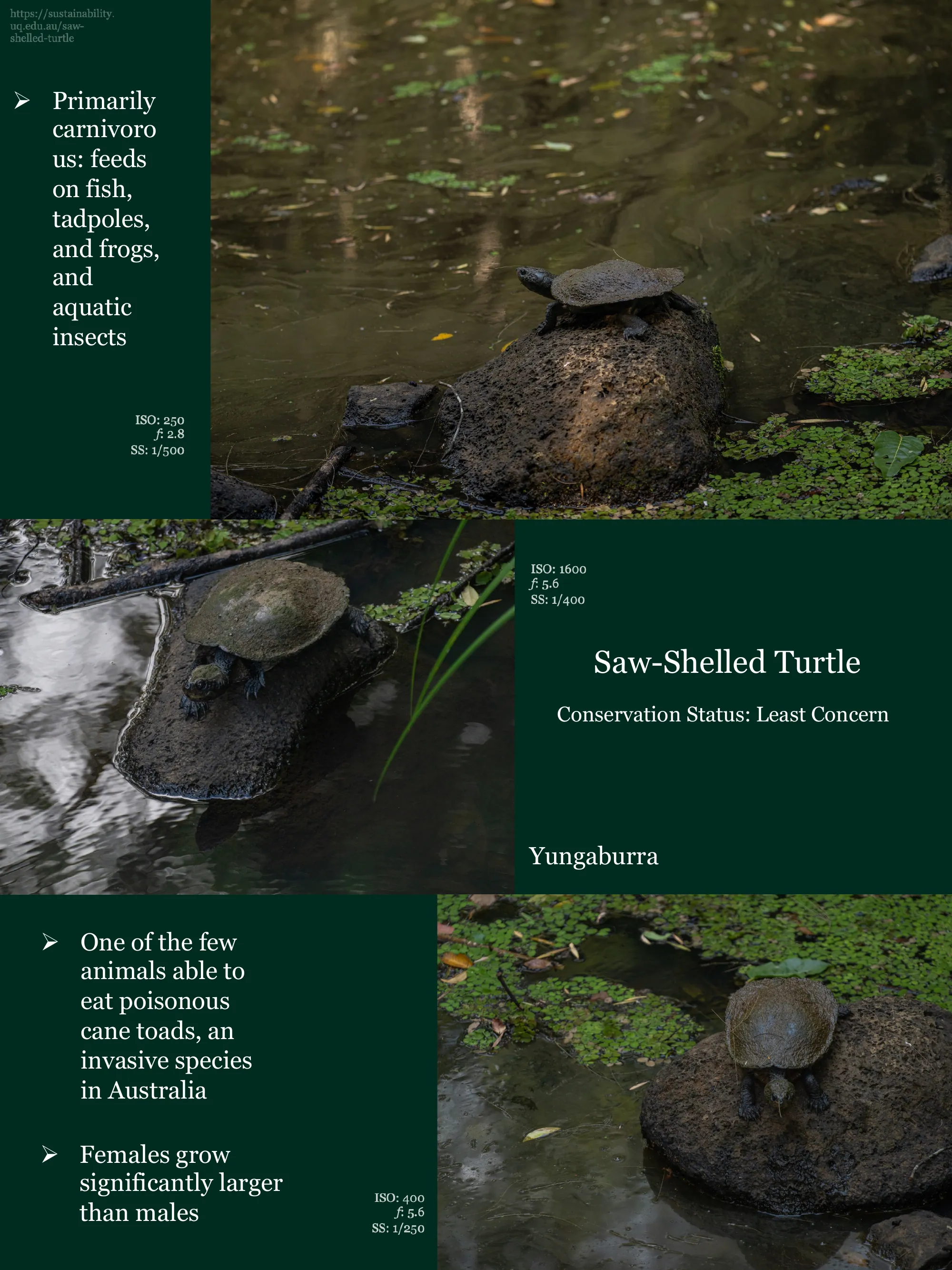
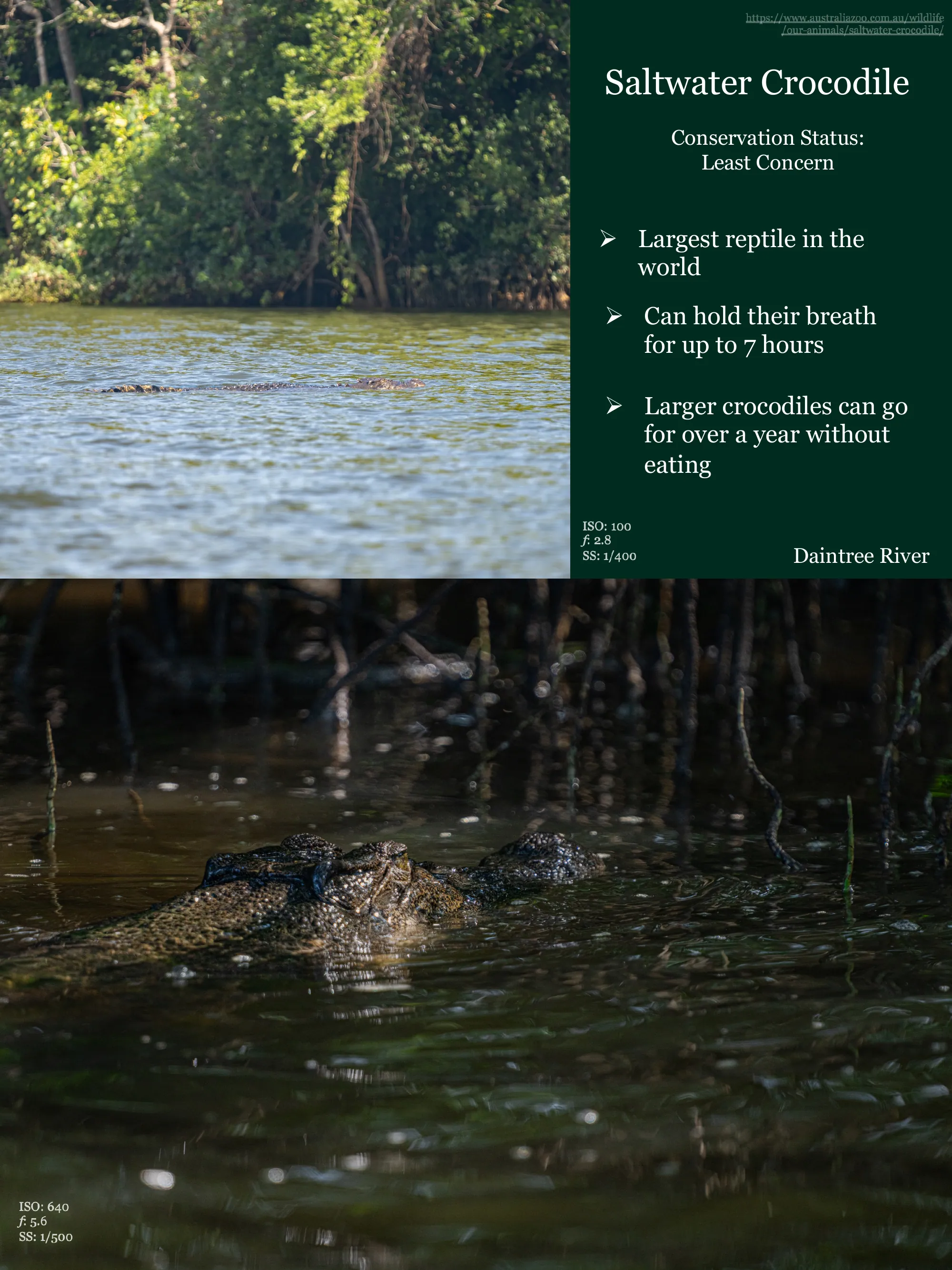
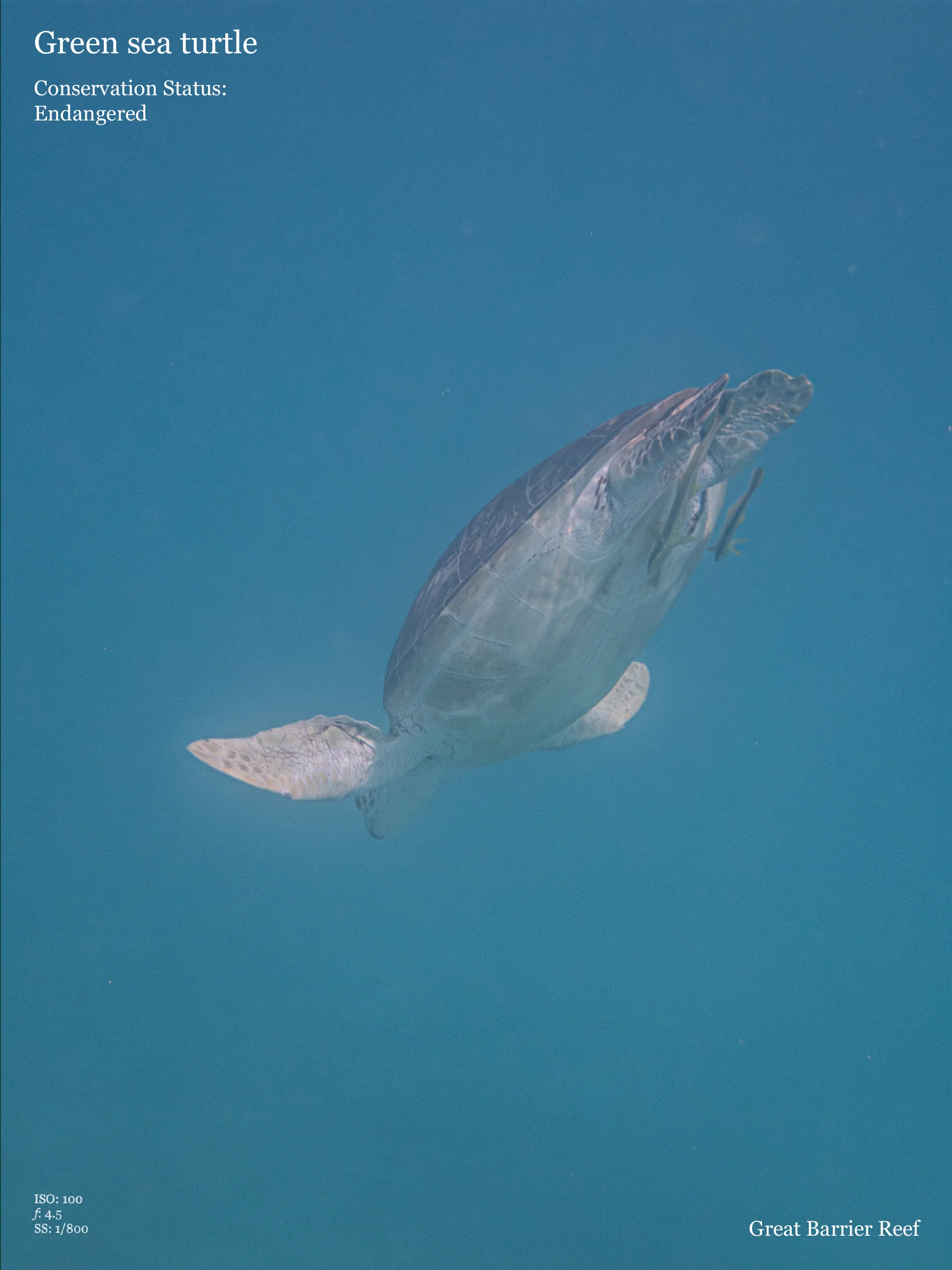
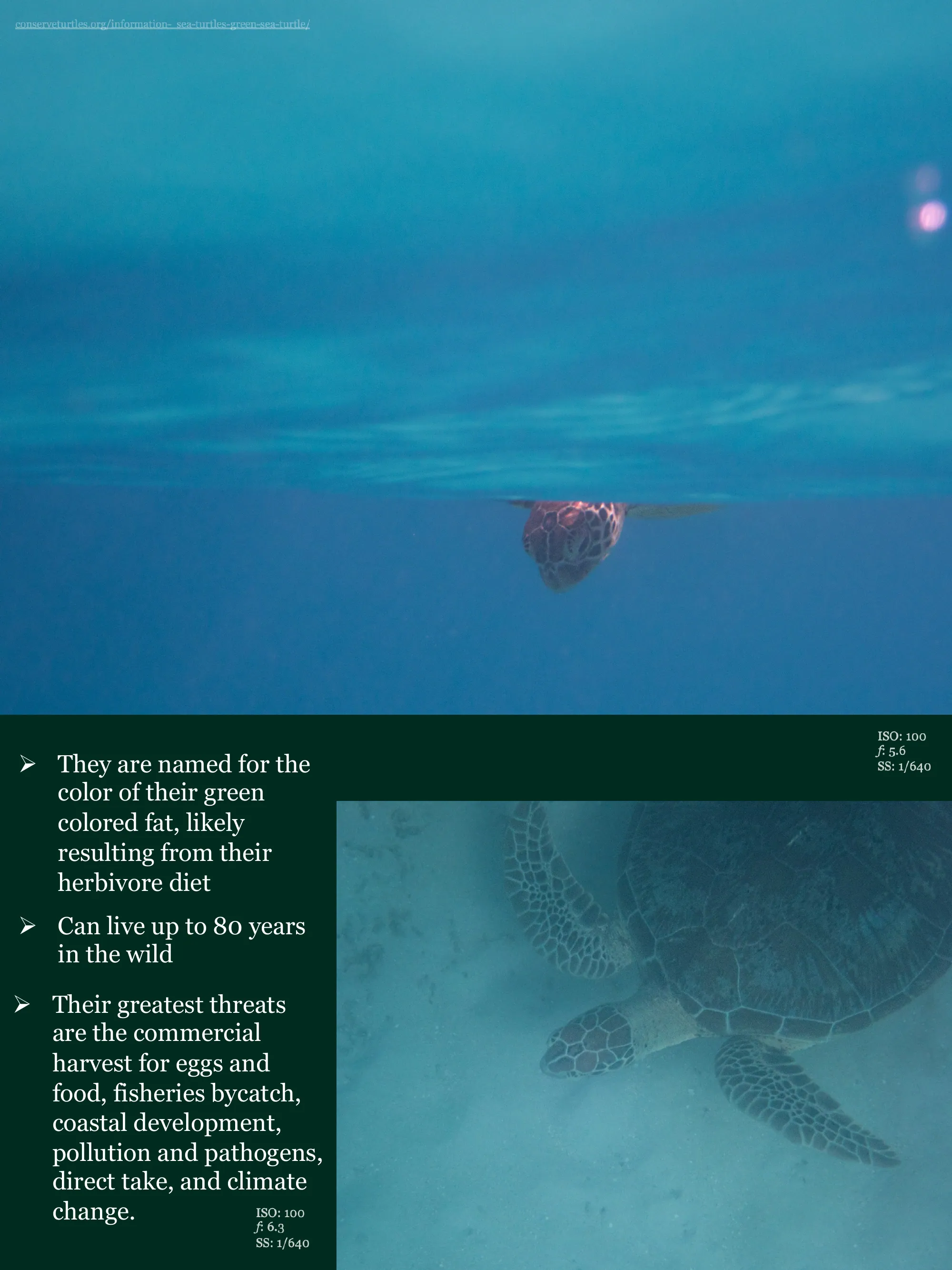
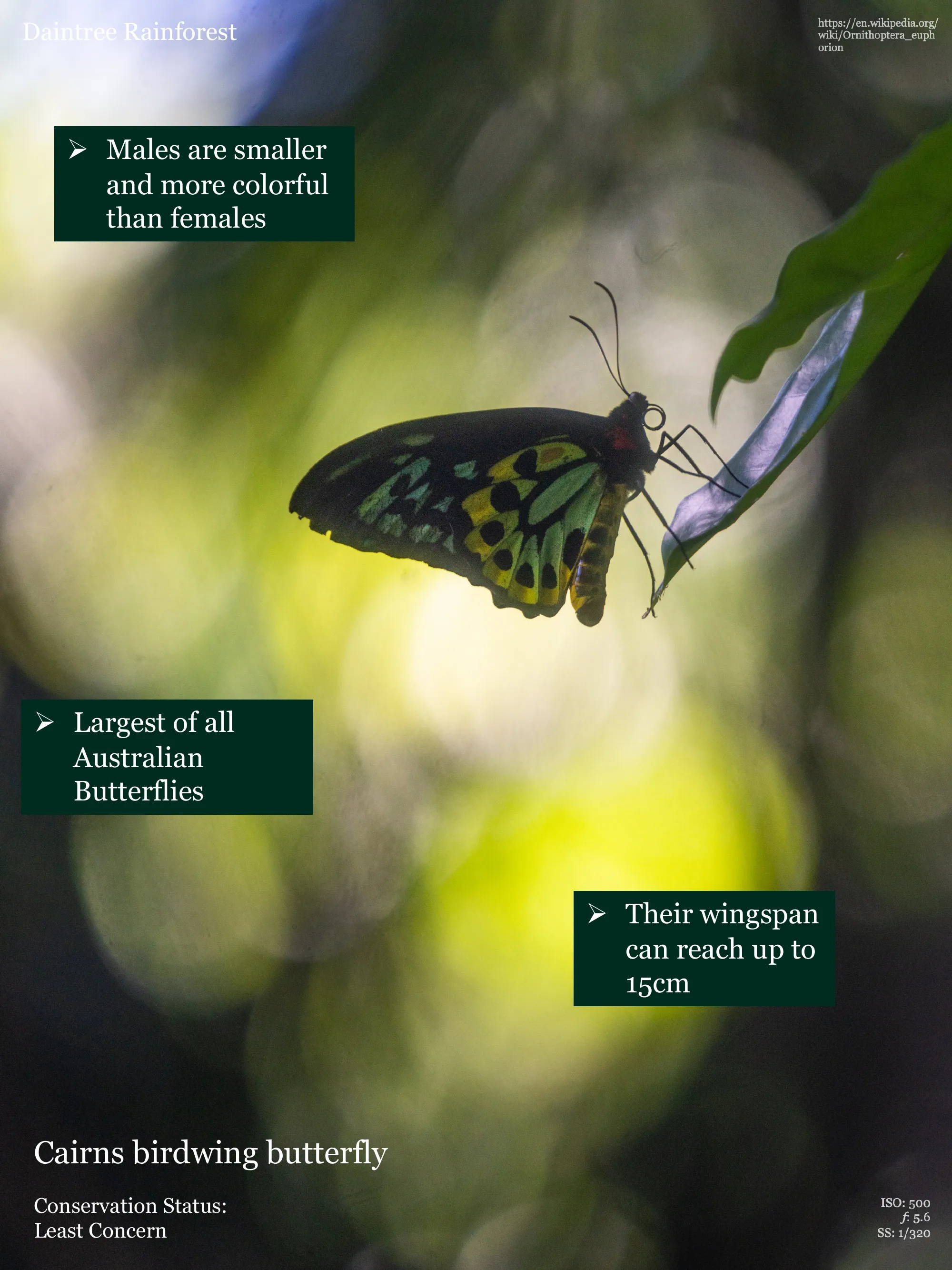
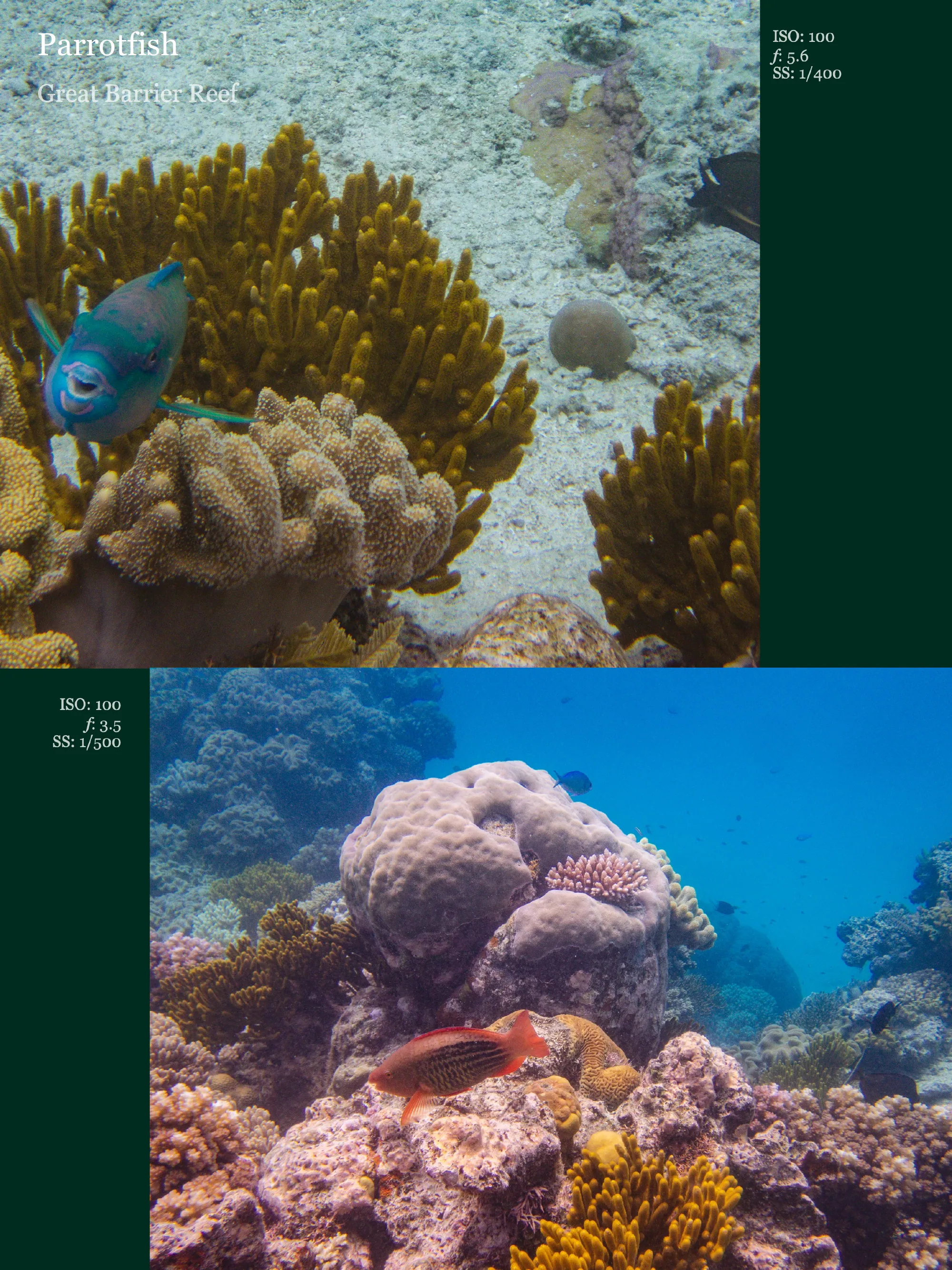
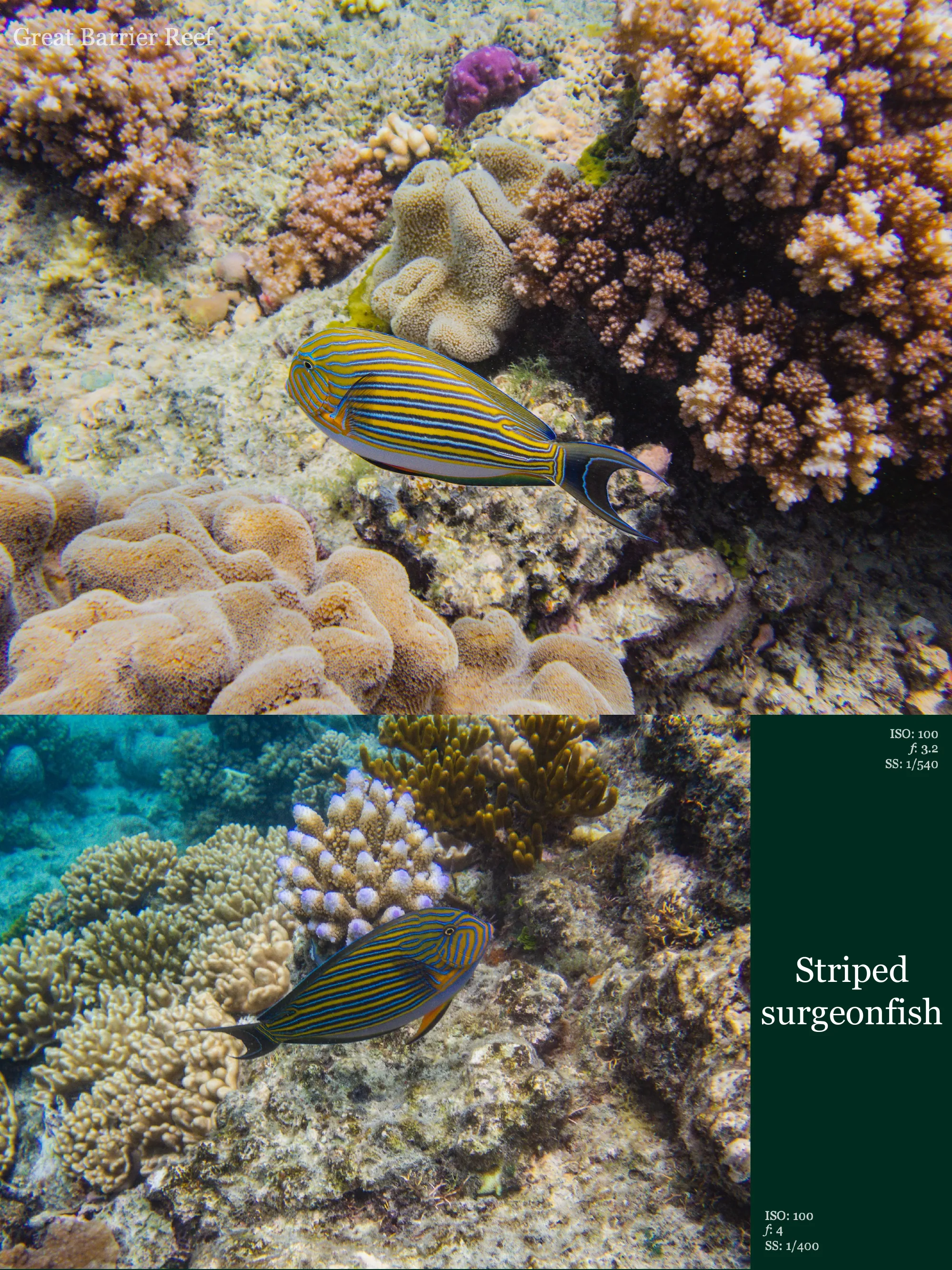
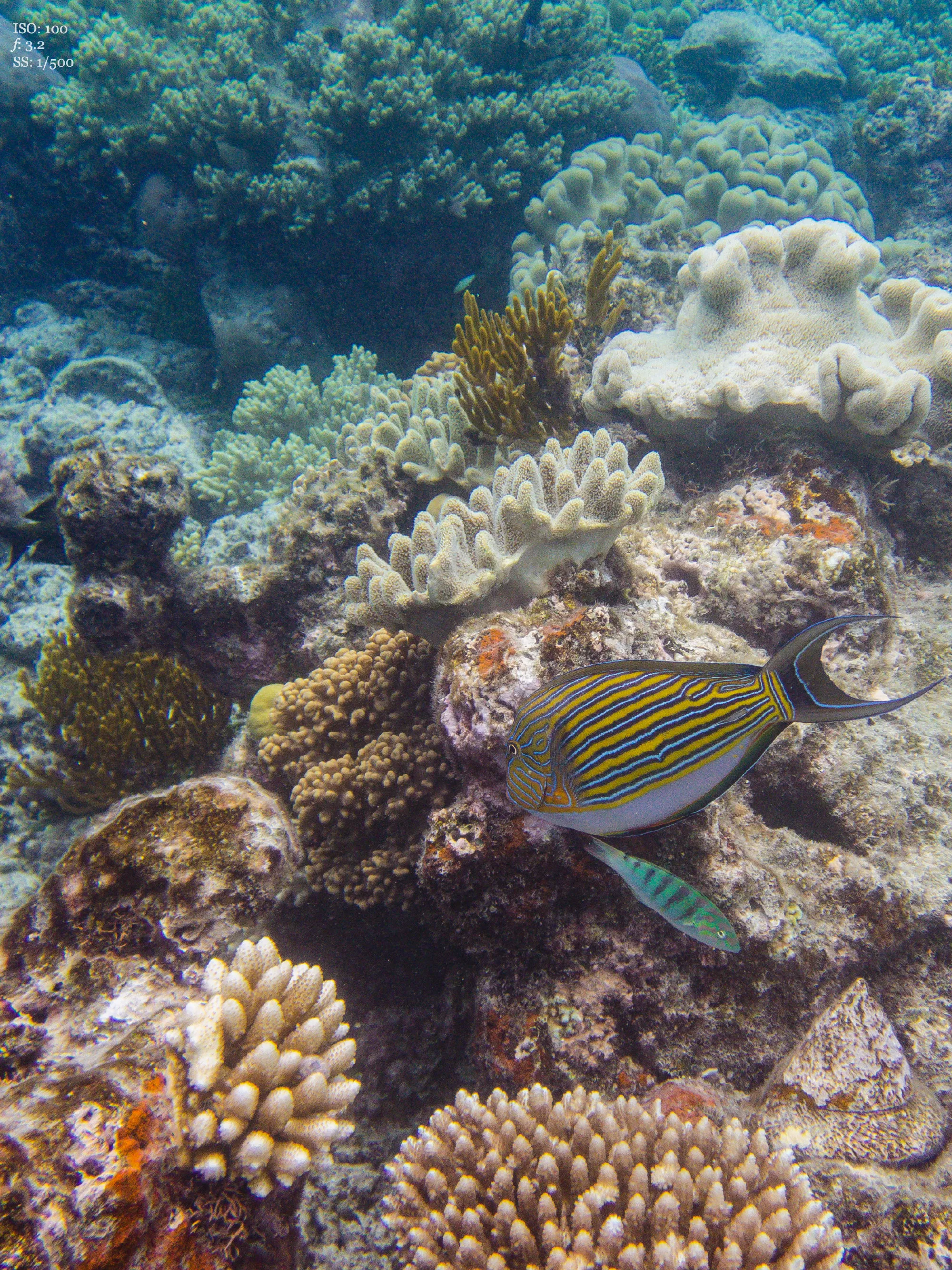
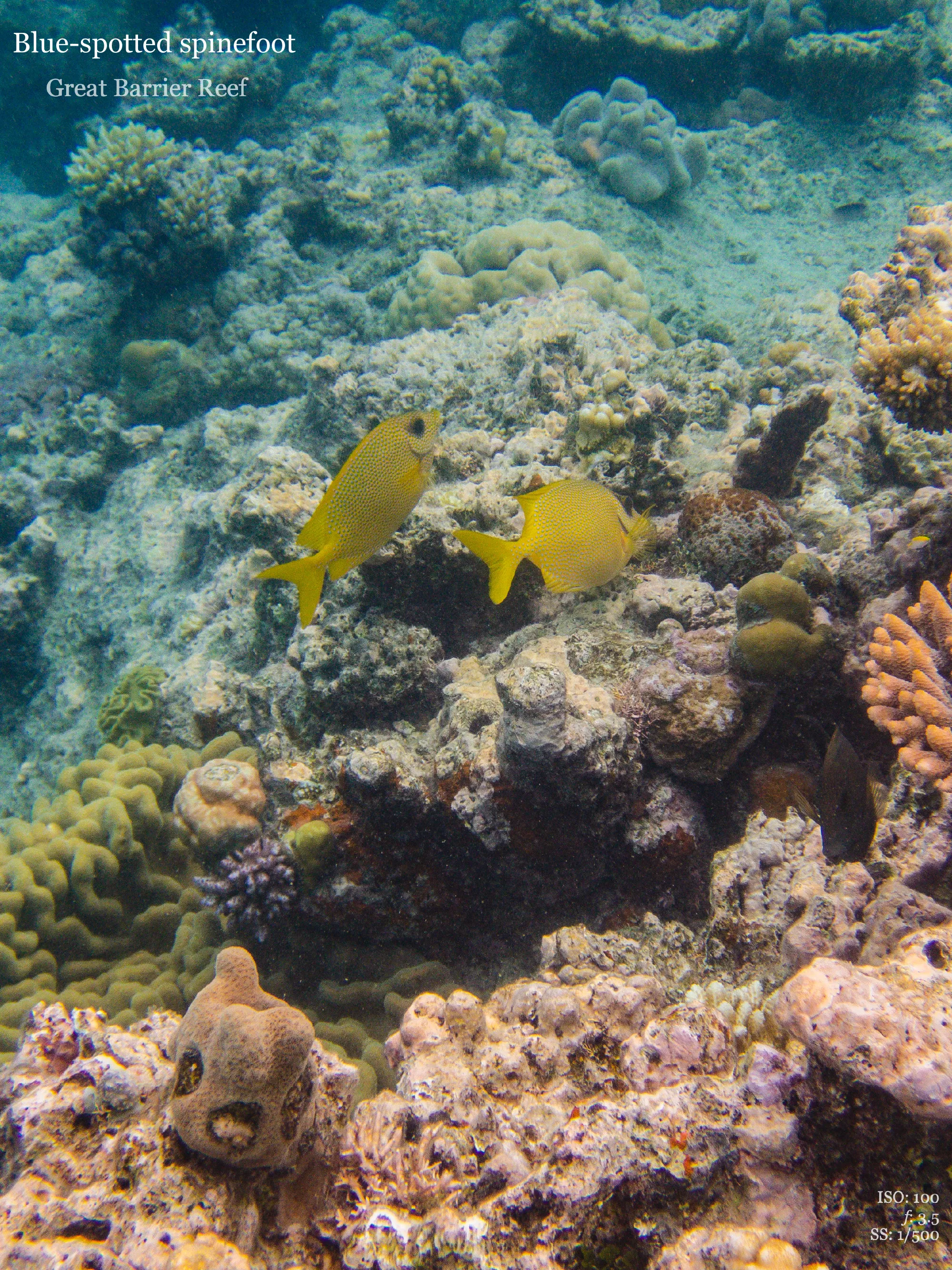
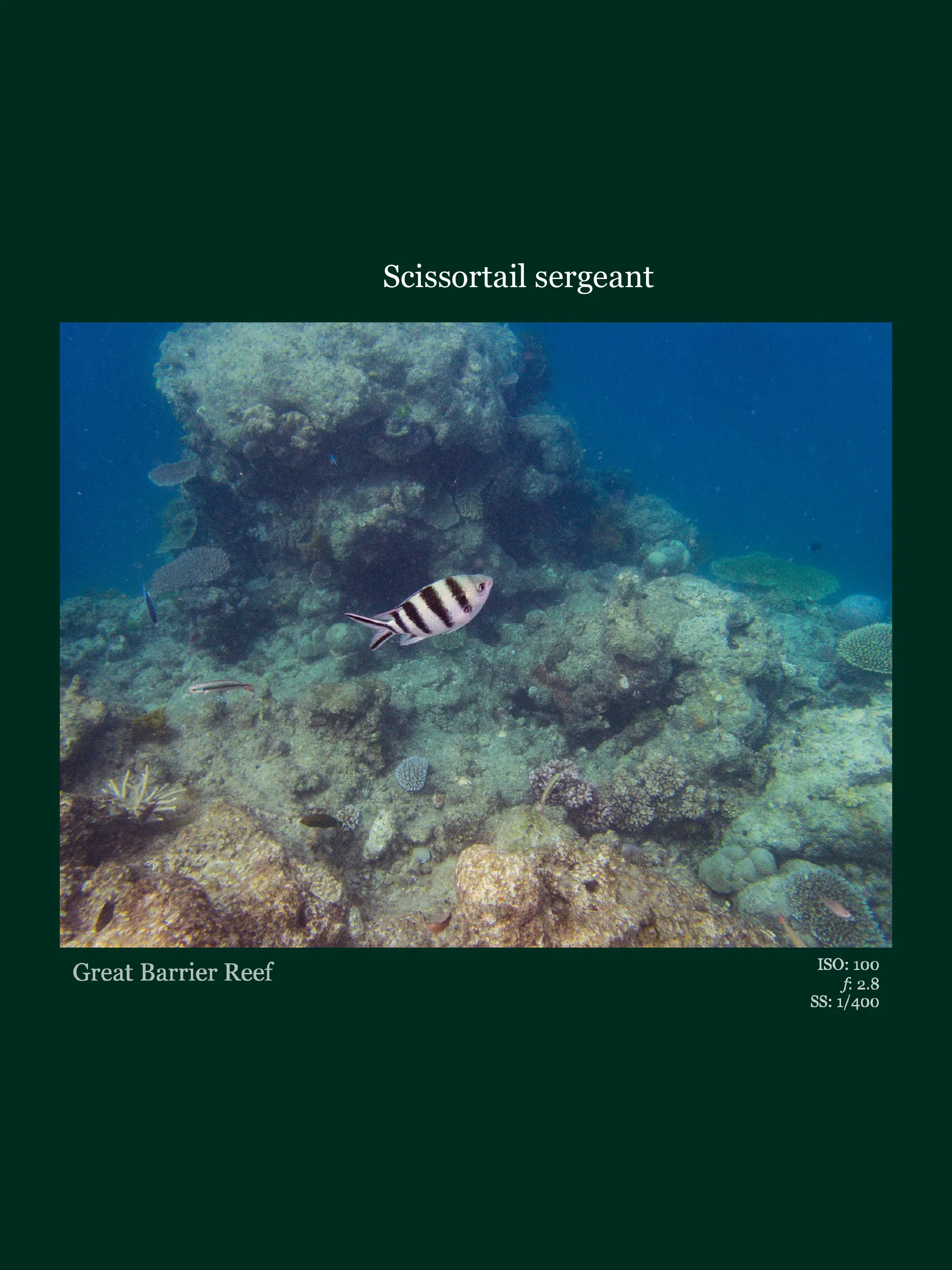
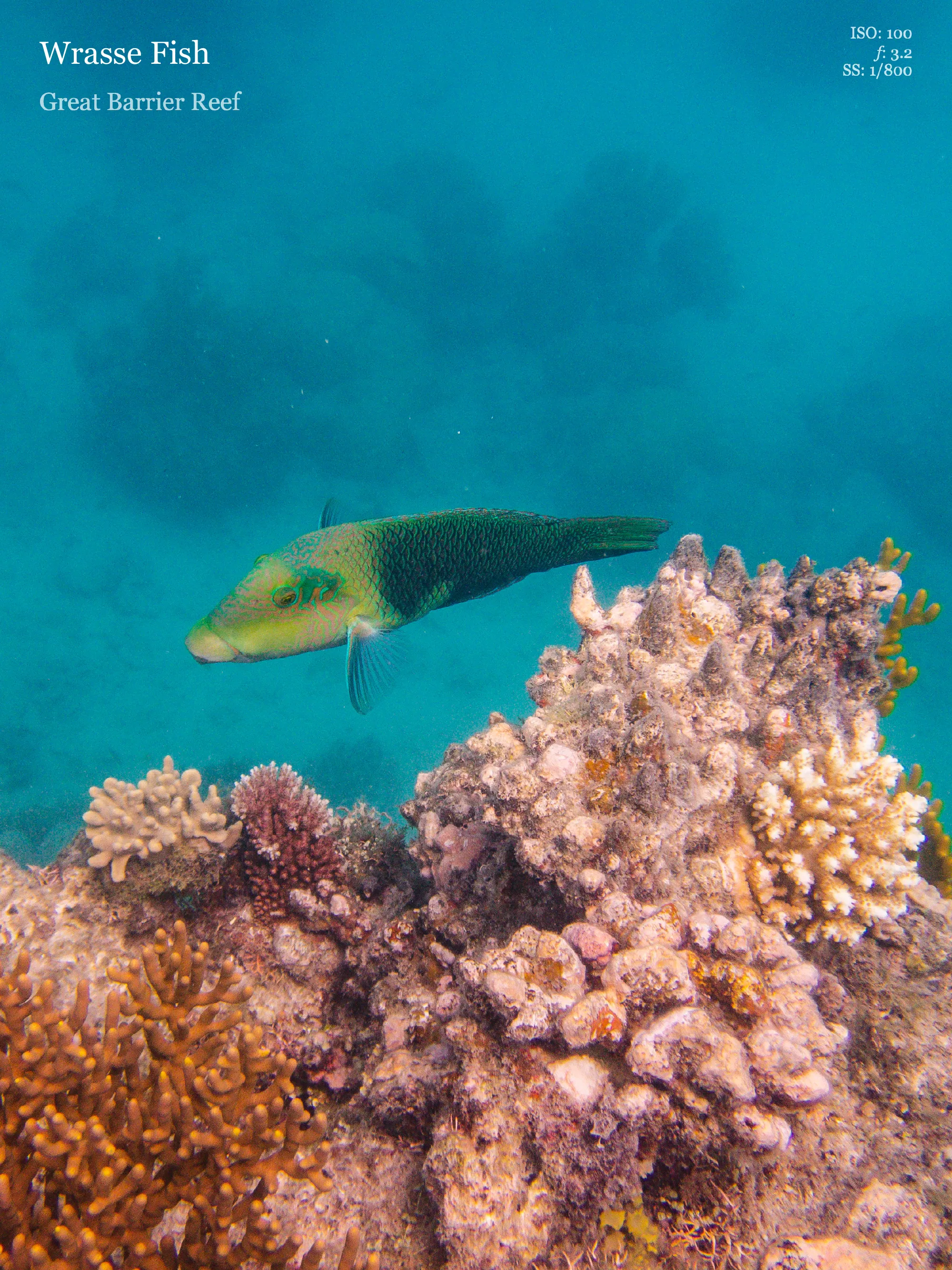
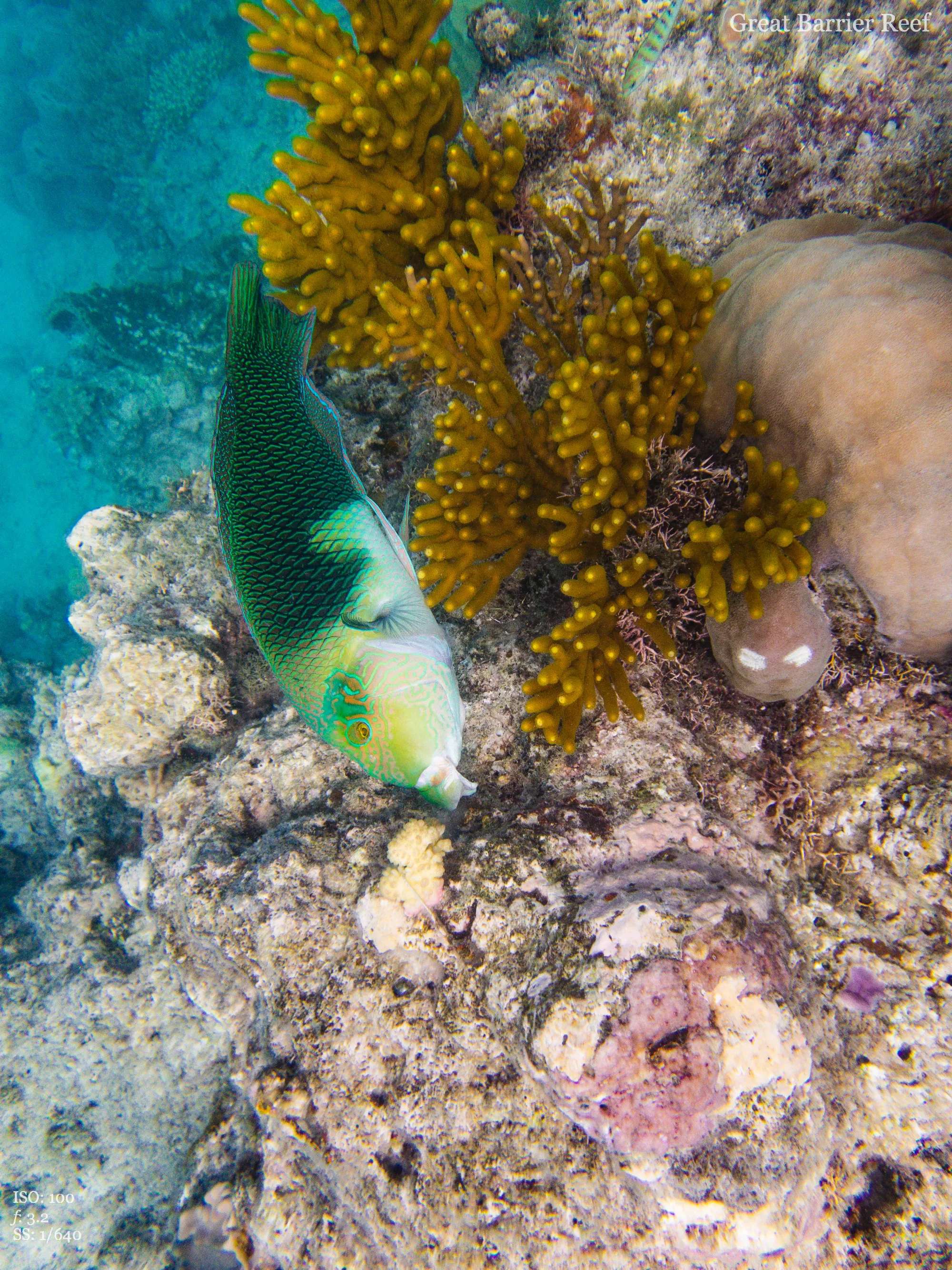
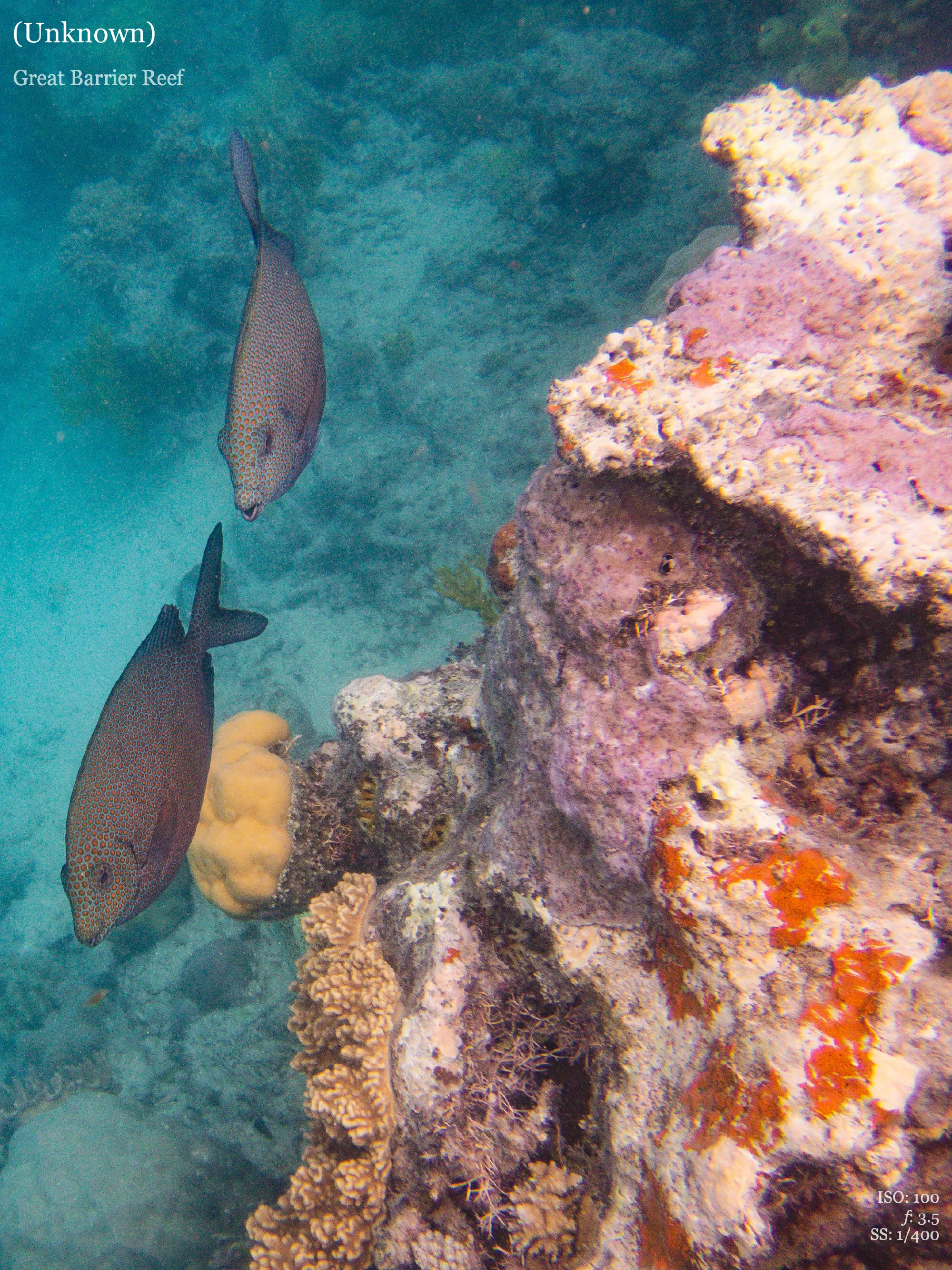
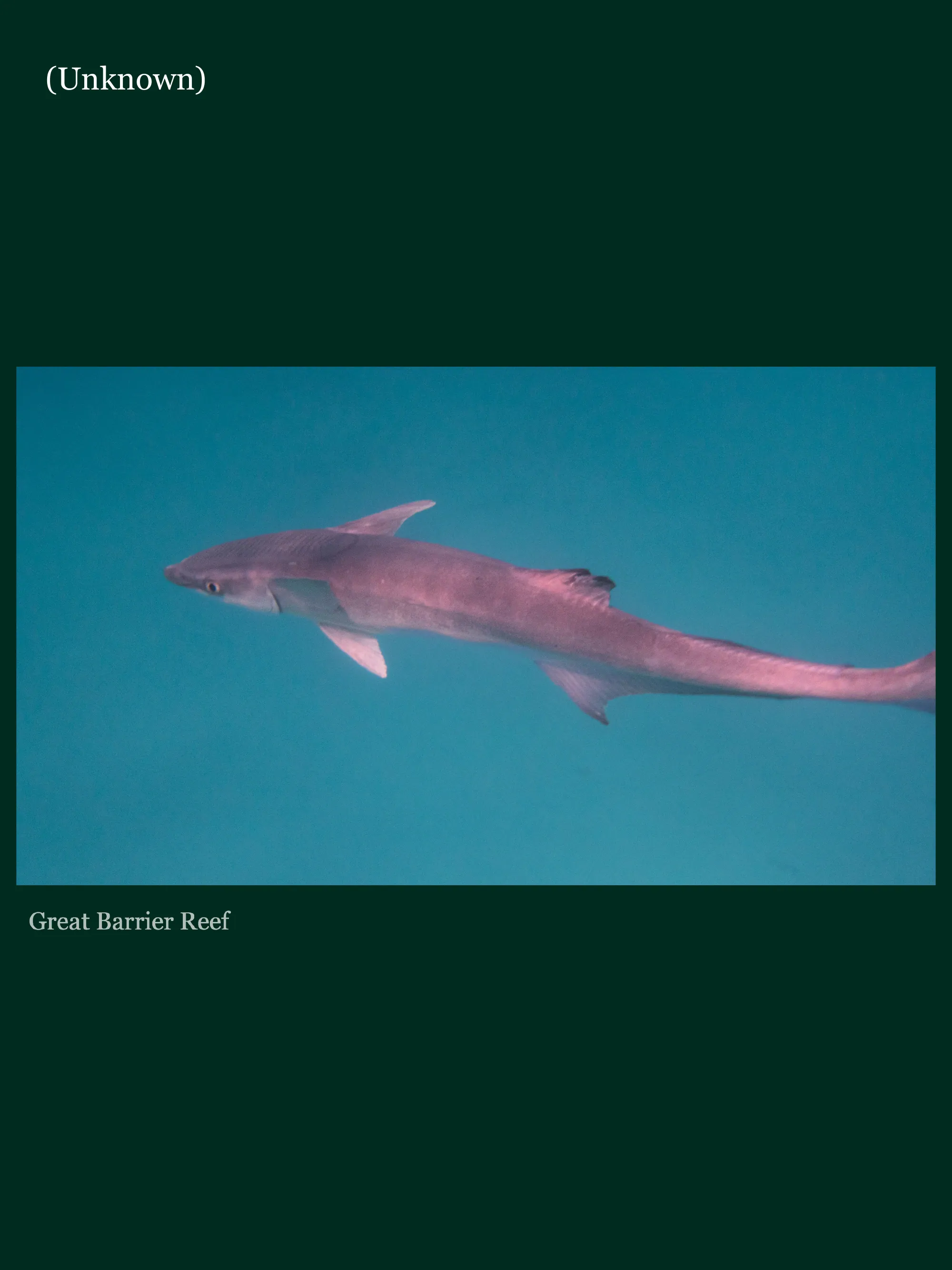
Far North Queensland Wildlife: a mini photo guide. Shoshana Coleman.Artist Statement I set out to photograph as many species as possible in their natural habitat in Australia’s Far North Queensland’s area. I focused on endangered and threatened species but captured photos of other species as well as in today’s world almost every animal species on earth can be expected to experience significant population decline in the near future. My main purpose of this project is to promote environmental conservation and foster a greater sense of empathy toward the animal species. I would like to educate people on the animals in the region and encourage others to care for the natural world. Although I have done extensive research on the identification and the facts on the animals and have done my best to insure everything is accurate, there may be some mistakes. There were a couple species that I was not able to identify. -Shoshana ColemanFar North Queensland MapBirdsBlack butcherbird Cattana Wetlands, Smithfield Conservation Status: Least Concern • They get their name because they will impale their prey on broken branches, thorns, or tree forks • Their diet includes insects, lizards, small mammals and birds, as well as some fruits • They are considered to have an extremely musical birdsongLaughing kookaburra Conservation Status: Least Concern • Largest members of the Kingfisher family • They get their name from the loud territorial sound they make that sounds like a laugh • There are two species of Kookaburra native to Australia, the Laughing Kookaburra and the Blue-Winged Kookaburra Magnetic Island, TownsvilleOrange-footed scrubfowl Conservation Status: Least Concern • Their diet includes small arthropods and some fallen fruit • They build large mounds with organic matter generate heat by the composting process and incubate eggs Cattana Wetlands, Smithfield • They are able to fly short distances and roost in trees at nightPort Douglas Rainbow lorikeet Conservation Status: Least Concern • The pet trade and habitat loss are contributing to their population declineThey have a specially designed tongue with its tip similar to a paintbrush. This allows them to feed on on pollen, nectar and fruits • They often travel together in pairs are monogamous Magnetic Island, TownsvilleLeaden flycatcher Conservation Status: Least Concern • Found mainly in coastal areas Cattana Wetlands, Smithfield • Very similar to the Broad-billed Flycatcher, and the Satin Flycatcher • Feeds on insectsAzure kingfisher Daintree River Conservation Status: Least Concern • Found Across Northern and Eastern Australia as as in parts of Indonesia, New Guinea, and surrounding islands • They mainly eat fish, crustaceans, aquatic insects, other invertebrates, and sometimes frogs • Transparent membranes protect their eyes when they diveAlthough they are common in many parts of QLD, in NSW they are listed as Endangered and in VIC, Threatened. Also called Bush Thick-knee They are known for their loud contact call that sound like screams Bush-stone curlew Conservation Status: Least Concern Magnetic Island, TownsvilleThey often occupy the edges of forest and mangroves • Primarily eat nectar and sometimes insects • When chicks are hatched, the female primarily cares for them Olive-backed sunbird Conservation Status: Least Concern Daintree RainforestPort Douglas Torresian imperial pigeon Conservation Status: Least Concern • They were subject to • Also called the nutmeg mass killing in the 19th pigeon, white nutmeg and 20th centuries before pigeon, Australian pied campaigns by imperial pigeon or Torres conservation activists Strait pigeon • They eat mostly fruitsMadja Boardwalk, Cape Tribulation Green oriole Conservation Status: Least Concern • Also called Australian yellow oriole, yellow oriole and yellowbellied oriole • Typically lay two eggs • Usually seen alone or in pairsComb-crested jacana Conservation Status: Least Concern • They eat aquatic insects, seeds, and plants • Males build the nest, incubate eggs and care for chicks • They rarely come to shore Cattana Wetlands, SmithfieldTheir main sources of food are nectar, fruits, and seeds • Their lifespan is about five – seven years • It is estimated that their population will decline by 10% in the next 10 years Helmeted friarbird Conservation Status: Least Concern Daintree RainforestPort Douglas Australasian figbird Conservation Status: Least ConcernAlso called the Green figbird or Timor figbird • Predominantly feeds on figs and other fruits • Males are brightly colored while females are dull colored Port DouglasSouthern Cassowary Conservation Status: Endangered Etty BayAlthough the IUCN Red list considers the Southern Cassowary • conservation status to be Least Concern, the Queensland and Australian Government consider them to be Endangered. They are threatened by vehicle traffic, dog attacks and habitat lossMale Cassowaries incubate and care for eggs and offspring on their own • Their diet • includes fallen fruit, frogs, snails, fungi, and plants They are the only animal that is capable of dispersing large seeds through the rainforest and are critical for its survivalThey are direct descendants of dinosaurs • Although they can be dangerous • and have killed people, they are not considered aggressive and only attacked when threatened They hold cultural significance to Indigenous Australian peopleThere are estimated to be only 4,000 wild Cassowaries left in AustraliaMammalsMareeba rock-wallaby Conservation Status: Near Threatened • Although they are rare and listed as a nearthreatened species under IUCN classification, they are considered “Least concern” under Queensland's Nature Conservation Act 1992 • They are threatened by agriculture, invasive species and diseases, and bushfires • Only found in the highlands west of Cairns Granite Gorge Nature ParkMagnetic Island, Townsville Allied rock- wallaby Conservation Status: Least ConcernGestation period is about 30 days and the joey leaves the pouch at 6-7 months old While looking for food, joey that are old enough are often left hidden in rock crevices Species of rock-wallaby found in northeastern QLDNorthern Koala Conservation Status: Endangered Magnetic Island, TownsvilleKoalas can sleep up to 20 hours a day • Their population is declining and they are threatened largely due to habitat loss • Northern Koalas are smaller and lighter in color compared to Southern KoalasThey feed mostly on eucalyptus leaves which are toxic to most other animals and humansYungaburra Platypus Conservation Status: Near ThreatenedThey are largely solitary animals, but more than one platypus can share bodies of waterThey are one of five mammals that lay eggs ISO: 1250 Shutter Speed: 1/400 F-stop: 6.3 • Male platypus are venomous and have spurs on their legs that connect to a venomous glandConservation Status: Endangered Yungaburra Spectacled Flying- FoxThey are the largest pollinators of the rainforest and eucalypt forests • They are considered keystone species, crucial to the survival of their ecosystem • Very social animals and live in colonies of hundreds and sometimes thousands • Pups will remain attached to the mother for 5-6 weeks until they become too heavy to carry while flying. They will then be left in the tree while the mother feedsThey can fly at a top speed of 50km per hourReptiles & InsectsYungabarra • Also known as the Keelback Snake • They are nonvenomous • One of the few snakes that can eat cane toads Freshwater Snake Conservation Status: Least ConcernDaintree Rainforest Northern Red-throated Rainbow-Skink Conservation Status: Least Concern • They are endemic to Queensland • Males have a red colored throat while females have pale pink • Throat coloration increases in males during breeding seasonPrimarily carnivoro us: feeds on fish, tadpoles, and frogs, and aquatic insects Saw-Shelled Turtle Conservation Status: Least Concern Yungaburra • One of the few animals able to eat poisonous cane toads, an invasive species in Australia • Females grow significantly larger than malesSaltwater Crocodile Conservation Status: Least Concern • Largest reptile in the world • Can hold their breath for up to 7 hours • Larger crocodiles can go for over a year without eating Daintree RiverGreen sea turtle Conservation Status: Endangered Great Barrier ReefThey are named for the color of their green colored fat, likely resulting from their herbivore diet • Can live up to 80 years in the wild • Their greatest threats are the commercial harvest for eggs and food, fisheries bycatch, coastal development, pollution and pathogens, direct take, and climate change.Daintree Rainforest • Males are smaller and more colorful than females • Largest of all Australian Butterflies • Their wingspan can reach up to 15cm Cairns birdwing butterfly Conservation Status: Least ConcernFishParrotfishStriped surgeonfishBlue-spotted spinefootScissortail sergeantWrasse Fish(Unknown)(Unknown)References 8 interesting platypus facts. WWF. Retrieved from https://www.wwf.org.au/news/blogs/8-interesting-platypus-facts An Illustrated Guide to Australia's Kingfishers. Australian Geographic. (2021, September 27). Retrieved from https://www.australiangeographic.com.au/topics/wildlife/2016/11/australias-fabulou)s-kingfishers/ Bush stone-curlew. NSW Environment and Heritage. (2018, July 25). Retrieved from https://www.environment.nsw.gov.au/topics/animals-and-plants/native-animals/native-animal-facts/woodlandbirds/bush-stone-curlew Butcherbird. Backyard Buddies. (2021, February 3). Retrieved from https://backyardbuddies.org.au/backyardbuddies/pied-butcherbird Comb-crested jacana. Birdlife Australia. Retrieved from https://www.birdlife.org.au/bird-profile/comb-crested-jacana Freshwater snake (keelback snake). Museum of Tropical Queensland. Retrieved from https://mtq.qm.qld.gov.au/Explore/Find+out+about/Animals+of+Queensland/Reptiles/Snakes/Common+and+dan gerous+species/Freshwater+Snake+Keelback+Snake Green Sea Turtle Information. Sea Turtle Conservancy. Retrieved from conserveturtles.org/information- sea-turtlesgreen-sea-turtle/ Koala facts. Environment. (2022, March 24). Retrieved from https://environment.des.qld.gov.au/wildlife/animals/livingwith/koalas/facts Laughing kookaburra. SeaWorld Parks & Entertainment. Retrieved from https://seaworld.org/animals/facts/birds/laughing-kookaburra/ Olive-backed sunbird. Birdlife Australia. (n.d.). Retrieved from https://www.birdlife.org.au/bird-profile/olive-backedsunbird Pteropus conspicillatus - spectacled flying-fox. Pteropus conspicillatus - Spectacled Flying-fox. Retrieved from http://www.environment.gov.au/cgi-bin/sprat/public/publicspecies.pl?taxon_id=185 Rainbow lorikeet. Birdlife Australia. Retrieved from https://www.birdlife.org.au/bird-profile/rainbow-lorikeet Region Map of Far North Queensland. Cairns Charts. Retrieved from https://www.cairnscharts.com.au/blogs/news/region-map-of-far-north-queensland Saltwater Crocodile. Australia Zoo. Retrieved from https://www.australiazoo.com.au/wildlife/our-animals/saltwatercrocodile/ Saw-shelled turtle. Sustainability. Retrieved November 8, 2022, from https://sustainability.uq.edu.au/saw-shelled-turtle Southern cassowary. Queensland Government. (2020, November 11). Retrieved from https://www.qld.gov.au/environment/plants-animals/conservation/threatened-wildlife/threatened-species/featuredprojects/southern-cassowary Wet Tropics Management. Cassowaries. Wet Tropics Management Authority. Retrieved from https://www.wettropics.gov.au/cassowaries Wikimedia Foundation. (2021, November 12). Mareeba rock-wallaby. Wikipedia. Retrieved from https://en.wikipedia.org/wiki/Mareeba_rock-wallaby Wikimedia Foundation. (2022, February 17). Carlia rubrigularis. Wikipedia. Retrieved from https://en.wikipedia.org/wiki/Carlia_rubrigularis Wikimedia Foundation. (2022, January 29). Ornithoptera euphorion. Wikipedia. Retrieved from https://en.wikipedia.org/wiki/Ornithoptera_euphorion Wikimedia Foundation. (2022, March 22). Torresian Imperial Pigeon. Wikipedia. Retrieved from https://en.wikipedia.org/wiki/Torresian_imperial_pigeon Wikimedia Foundation. (2022, March 29). Green Oriole. Wikipedia. Retrieved from https://en.wikipedia.org/wiki/Green_oriole Wikimedia Foundation. (2022, October 26). Helmeted friarbird. Wikipedia. Retrieved from https://en.wikipedia.org/wiki/Helmeted_friarbird Wikimedia Foundation. (2022, September 25). Australasian figbird. Wikipedia. Retrieved from https://en.wikipedia.org/wiki/Australasian_figbird Wikimedia Foundation. Allied rock-wallaby. Wikipedia. Retrieved from https://en.wikipedia.org/wiki/Allied_rockwallaby Wildlife profile - orange-footed scrubfowl (Megapodius Reinwardt). Wildlife Profile - Orange-footed Scrubfowl, Darwin and Top End, Australia. Retrieved from https://www.experiencethewild.com.au/?p=Wildlife-Orange-footedScrubfowl